Forehead Acne: Causes, Look-Alikes and How to Clear It
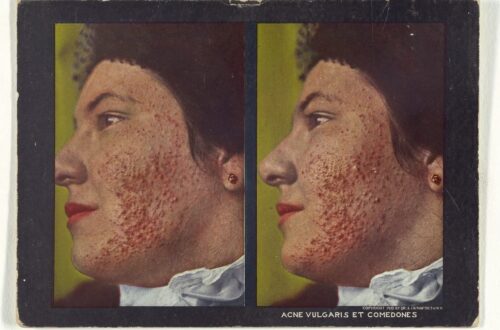
Forehead acne is usually caused by the same process as acne anywhere else: oil, dead skin cells and bacteria clogging pores, made worse by inflammation. The forehead has its own common triggers, though, including hair oils and styling products, fringes, sweat under caps, helmets and head coverings, and friction. Many cases improve with a gentle routine, a proven acne ingredient and a few changes to hair and headwear habits; persistent or painful breakouts deserve a dermatologist’s assessment.
Why the forehead breaks out
The forehead is part of the T-zone, where oil glands are more active. That makes it prone to blackheads, whiteheads and small red bumps. On top of that, several everyday habits can push it over the edge:
- Hair products: oils, pomades, waxes and leave-in conditioners can migrate onto the skin and clog pores along the hairline. This pattern is sometimes called pomade acne.
- Fringes and bangs: hair resting on the forehead transfers oil and product.
- Headwear: caps, helmets, sports headbands, ghutra and headscarves can trap sweat and heat and rub the skin.
- Sweat: UAE heat and workouts leave sweat and salt on the skin for long periods.
- Touching: resting your forehead on your hand, or picking, spreads bacteria and inflames spots.
- Hormones and stress: can increase oil production and flares.
Is it really acne?
Not every forehead rash is acne. A few look-alikes are common:
| Condition | Typical look | Clues |
|---|---|---|
| Comedonal acne | Blackheads and small skin-coloured bumps | Feels rough, worse along hairline |
| Inflammatory acne | Red bumps and pustules | Tender, may leave marks |
| Fungal folliculitis (Malassezia) | Many small, uniform itchy bumps | Worse with heat and sweat, often on chest and back too |
| Seborrhoeic dermatitis | Red, flaky patches near eyebrows and hairline | Greasy scale, dandruff |
| Contact dermatitis | Itchy rash where a product or hat touches | Appears after a new product |
| Perioral or periorificial dermatitis | Small bumps around nose, mouth or eyes | Can follow steroid cream use |
Fungal folliculitis in particular is often mistaken for acne and does not respond to standard acne treatments. Our acne types chart can help you describe what you see, but a doctor can confirm it.
A simple routine for forehead acne
- Cleanse twice a day and after sweating, with a gentle cleanser. Pay attention to the hairline.
- Use one acne active, such as salicylic acid, benzoyl peroxide or adapalene, starting a few times a week.
- Moisturise with a light, non-comedogenic product.
- Apply sunscreen every morning; many acne treatments increase sun sensitivity, and the forehead gets direct UAE sun.
Check how to combine actives in our ingredient pairing chart.
Hair and headwear habits that help
- Keep hair oils and pomades away from the hairline, or switch to non-comedogenic hair products.
- Wash fringes regularly, or pin hair back while sleeping and exercising.
- Wash caps, headbands and head coverings often, and change them after sweating.
- Wipe helmet pads regularly and wear a thin, breathable liner.
- Cleanse your face after removing headwear at the end of the day.
When over-the-counter care is not enough
See a dermatologist if:
- Spots are deep, painful or leaving scars
- There is no improvement after about three months of consistent care
- The rash is very itchy or made of uniform tiny bumps, which may suggest a fungal cause
- Acne appears suddenly in adulthood alongside irregular periods, excess hair growth or weight changes
A doctor may prescribe stronger topical retinoids, combination creams, oral treatments, or antifungal treatment if fungal folliculitis is found.
Avoid steroid creams on acne
Using steroid creams, or “whitening” creams that secretly contain them, on the forehead can cause steroid acne and perioral or periorificial dermatitis, and can make the skin thin and red. Only use steroids if a doctor prescribes them for a specific condition.
If your breakouts follow your hairline, look at your hair products before buying another face cream.
What a realistic timeline looks like
Acne treatments work slowly, and the first weeks can be discouraging. A typical pattern is:
- Weeks 1 to 2: possible dryness or mild irritation as skin adjusts; spots may look the same.
- Weeks 3 to 6: fewer new blackheads and whiteheads; some people notice a short flare at first with retinoids.
- Weeks 8 to 12: a clearer difference, with smoother texture along the hairline.
Keep a simple log with photos every two weeks in the same light. If irritation is strong, reduce how often you apply the active rather than stopping altogether, and use more moisturiser. If nothing has changed by three months, it is time for a professional opinion rather than a new product.
Diet, sleep and stress
Evidence suggests that high glycaemic diets and, for some people, dairy may worsen acne. Sleep and stress can affect hormones and flares. These factors are worth looking at, but they rarely replace proper skin care or medical treatment. If you use whey protein supplements and have persistent acne, mention this to your doctor.
Marks after forehead acne
Forehead acne can leave brown or red marks, especially in sunny climates. Daily sunscreen helps them fade, and ingredients such as azelaic acid and niacinamide can speed things along. Avoid picking, which makes marks darker and longer-lasting.
Who to see in the UAE
A dermatologist licensed by the Dubai Health Authority, the Department of Health Abu Dhabi or the Ministry of Health and Prevention can confirm the diagnosis and suggest a plan. Bring a list of your hair and skin products and any medicines you use.
Frequently asked questions
What causes small bumps on the forehead that are not painful?
Often closed comedones (whiteheads) from clogged pores. Hair products and heavy creams are common triggers. Fungal folliculitis is another possibility if they itch.
Can stress cause forehead acne?
Stress can worsen acne in some people by affecting hormones and habits, such as touching the face.
How long does forehead acne take to clear?
With consistent treatment, many people see improvement in 6 to 12 weeks.
Should I stop wearing caps or head coverings?
No need. Keep them clean, change them after sweating and cleanse your forehead afterwards.
Sources: American Academy of Dermatology, DermNet, British Association of Dermatologists
Last reviewed: 2026-11-25. General information only, not medical advice. Please consult a licensed practitioner in the UAE about your own situation.

Clear Skin Notes Editorial Team
The Clear Skin Notes editorial team researches and writes our guides and updates them when facts change.


You May Also Like
Spironolactone for Acne: Who It Helps, Side Effects and Safety
Acne Patches: How Pimple Patches Work and When to Use Them