

Best Moisturizer for Acne-Prone Skin: How to Choose One That Will Not Clog Pores
The best moisturizer for acne-prone skin is usually a light, fragrance-free lotion or gel-cream labelled non-comedogenic, with hydrating ingredients such as glycerin, hyaluronic acid, ceramides or niacinamide. Skipping moisturiser rarely helps acne, and in air-conditioned UAE offices and homes it often makes dryness and irritation from acne treatments worse.
Why oily, acne-prone skin still needs moisture
Oil and water are not the same thing. Sebum is the oil your glands produce. Hydration is the water held in the outer layer of the skin. You can have a shiny forehead and still have a dehydrated, tight, flaky skin barrier underneath, especially if you use benzoyl peroxide, salicylic acid or a retinoid.
When the barrier is damaged, skin stings more, reacts to products more easily and can look redder around existing spots. A suitable moisturiser helps you stay on your acne treatment long enough for it to work, which is often the bigger win.
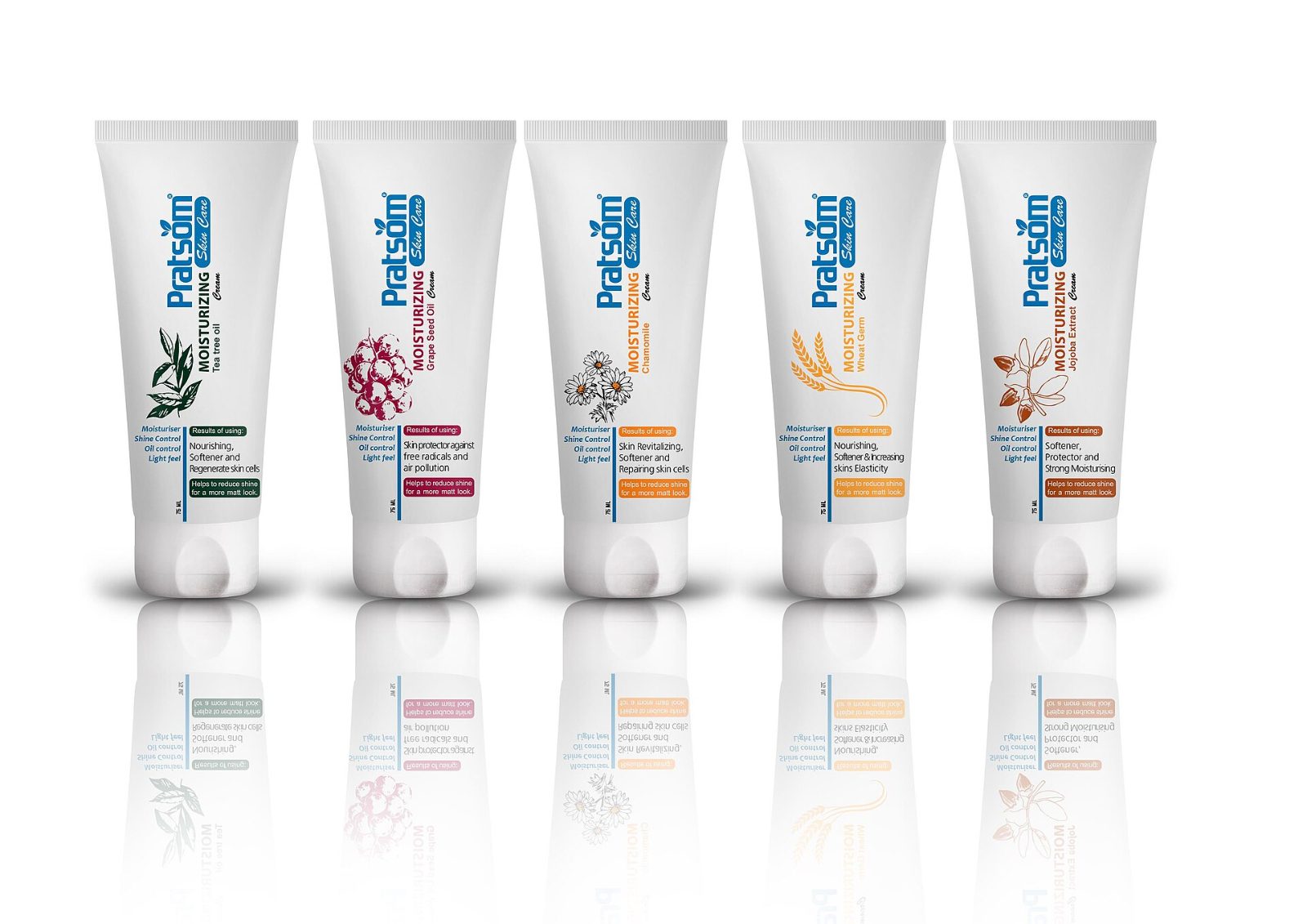
What to look for on the label
No single product suits everyone, so it helps to read the ingredient list instead of relying on a brand name or a “for acne” claim.
| Look for | Why it helps | Notes |
|---|---|---|
| Non-comedogenic or oil-free wording | Formulated to be less likely to clog pores | Not a guarantee, but a useful filter |
| Glycerin, hyaluronic acid | Draw water into the skin | Light feel, suit humid weather |
| Ceramides | Support the skin barrier | Helpful alongside retinoids |
| Niacinamide | Calms redness, may help oil control | Some people find high strengths irritating |
| Panthenol, allantoin | Soothing | Good for treatment-irritated skin |
| Fragrance-free | Fewer irritation triggers | Essential oils count as fragrance |
Heavy butters, thick occlusive balms and some plant oils can feel too rich for oily skin in Dubai summer. They are not automatically bad, but if you notice new small bumps after starting a product, it may be the culprit.
A word on “non-comedogenic”
There is no single regulated test behind the term. Brands use it to mean the product was formulated or tested to avoid clogging pores. Treat it as a starting point and judge by how your own skin responds over four to six weeks.
Choosing a texture for the UAE climate
Weather and indoor conditions in the UAE change what feels comfortable.
- Summer outdoors and humid coastal days: gels and gel-creams absorb quickly and feel less sticky under sunscreen.
- Air-conditioned offices and cars: the air can be very dry. A light lotion with ceramides helps prevent tightness by the afternoon.
- Cooler winter months: some people need a slightly richer cream at night, especially when using retinoids.
- Under makeup: a fast-absorbing lotion reduces pilling and slipping.
Many people with acne end up using two products: a gel in the morning under sunscreen and a slightly more nourishing lotion at night.
If your acne treatment makes your skin sting, a plain barrier moisturiser is often the fix, not a new active.
How to fit moisturiser into an acne routine
The order matters less than consistency, but a simple routine is easier to keep up and easier to troubleshoot.
- Gentle cleanser, morning and night.
- Acne treatment as directed, on dry skin.
- Moisturiser over the whole face.
- Broad-spectrum sunscreen in the morning, every day.
If a retinoid is irritating, some dermatologists suggest moisturising first and applying the retinoid on top, sometimes called buffering. This can reduce irritation, though it may also slightly reduce how much of the active reaches the skin. Ask your dermatologist which approach suits your treatment.
Check whether your products work well together with our ingredient pairing chart.
Moisturisers combined with actives
Some moisturisers for acne-prone skin also contain salicylic acid, lactic acid or retinol. These can be useful if you want fewer steps, but they add more active ingredients to your routine. If you already use a prescription treatment, a plain moisturiser is often the safer choice, so you do not double up on exfoliants or retinoids.
When to stop and get advice
- Burning, swelling or a rash after applying a product can mean an allergic or irritant reaction. Stop using it and seek medical advice if it does not settle.
- If your face swells around the eyes or lips, or you have difficulty breathing, get urgent medical help.
- If acne leaves scars or painful lumps, see a dermatologist rather than switching moisturisers.
Common mistakes
- Skipping moisturiser to dry spots out. This tends to increase irritation without speeding up healing.
- Changing products too often. Give a new moisturiser around four weeks unless it clearly irritates you.
- Using several new products at once. If you react, you will not know which one caused it.
- Relying on moisturiser with SPF as your only sunscreen. Most people apply too little moisturiser to get the labelled protection. A dedicated sunscreen is more reliable in UAE sun.
Not sure what kind of breakouts you have? Our acne types chart can help you describe them to a pharmacist or doctor.
Who should get personalised advice
A pharmacist can help with over-the-counter choices, but a dermatologist licensed by DHA, DOH or MOHAP is the right person if you have moderate or severe acne, are pregnant or breastfeeding, have eczema or rosacea alongside acne, or are on oral acne medication such as isotretinoin, which causes significant dryness and needs medical supervision.
Frequently asked questions
Should I use moisturiser if my skin is very oily?
Yes, in most cases. Choose a light gel or lotion. Oily skin can still be dehydrated, especially when using acne treatments.
Can moisturiser cause breakouts?
Some rich or heavily fragranced products can contribute to clogged pores in acne-prone people. If you notice new small bumps after starting a product, stop and see if they settle.
Is aloe vera gel enough as a moisturiser?
It can feel soothing, but on its own it may not support the skin barrier enough. Some aloe products also contain alcohol or fragrance, so read the label.
How much moisturiser should I use?
A pea to almond-sized amount is usually enough for the face. Use more if your skin feels tight within an hour of applying.
Sources: American Academy of Dermatology, DermNet, NHS acne guidance
Cover photo: Andre Carrotflower, CC BY-SA 4.0. Last reviewed: 2026-11-25. General information only, not medical advice. Please consult a licensed practitioner in the UAE about your own situation.

Clear Skin Notes Editorial Team
The Clear Skin Notes editorial team researches and writes our guides and updates them when facts change.


You May Also Like

Skin Care Routine for Hyperpigmentation: Morning and Night, Step by Step
Skin Care Routine With Niacinamide: Where It Fits and What to Pair It With