Back Acne Treatment: Washes, Habits and When It Might Be Fungal
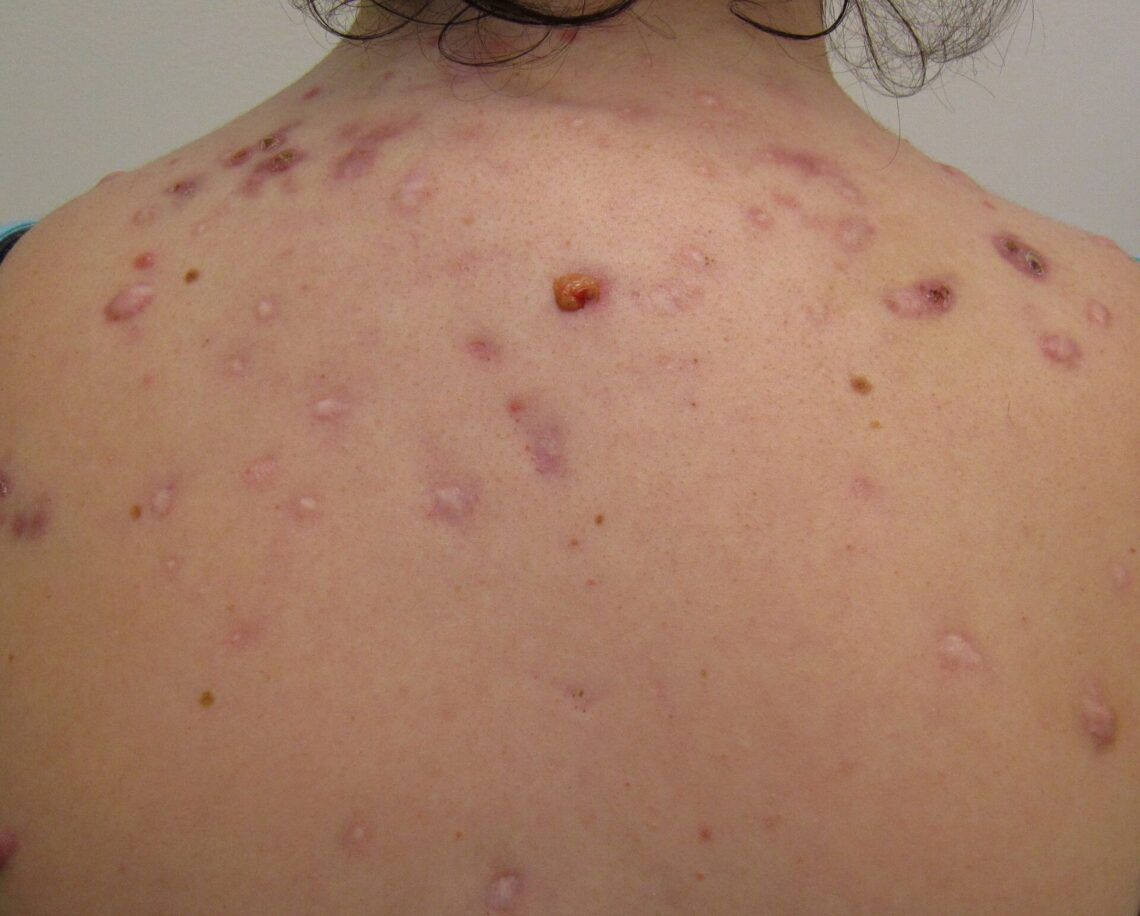
Back acne is usually treated with the same ingredients as facial acne, mainly benzoyl peroxide and salicylic acid washes, plus changes to how you handle sweat and clothing. If the spots are deep, painful or scarring, or if they do not improve after two to three months, a dermatologist can prescribe stronger treatment. In hot, humid UAE weather it is also worth ruling out fungal folliculitis, which looks similar but needs a different approach.
Why the back breaks out
The upper back and shoulders have plenty of oil glands, thick skin and a lot of contact with fabric, straps and sweat. Acne starts the same way it does on the face: excess oil and dead skin cells block hair follicles, bacteria multiply and inflammation follows. On the back, several local factors make this worse:
- Sweat that sits on the skin under tight clothing
- Friction from backpacks, sports bras, gym equipment and car seats
- Hair conditioner and styling products rinsing down the back in the shower
- Heavy body lotions or oils
- Some medications, including steroids, which can trigger acne-like breakouts
Is it acne or something else?
Several skin conditions look like back acne. Getting the diagnosis right saves months of using the wrong product.
| Condition | What it looks like | Typical clues | Usual approach |
|---|---|---|---|
| Acne | Blackheads, whiteheads, red bumps, pustules, sometimes cysts | Mixed lesion types, often also on face or chest | Benzoyl peroxide, salicylic acid, retinoids, prescription options |
| Fungal (Malassezia) folliculitis | Many small, uniform, itchy bumps | Itch, worse in heat and humidity, little response to acne products | Antifungal treatment from a doctor or pharmacist |
| Bacterial folliculitis | Pustules centred on hairs | Often after shaving, hot tubs or tight clothes | Hygiene, sometimes antibiotics |
| Keratosis pilaris | Rough, tiny bumps | More on upper arms than back, not inflamed | Gentle exfoliating moisturisers |
Fungal folliculitis is particularly relevant in the UAE because yeast on the skin thrives in heat and sweat. If your back spots itch and all look the same size, mention this to your doctor or pharmacist. Our acne types chart can help you describe what you see.
Quick self-check
Itchy, same-sized bumps that flare in summer suggest yeast. Mixed blackheads, red spots and occasional deep lumps suggest acne. A doctor can confirm which one you have.
Over-the-counter treatment that works
Benzoyl peroxide wash
A benzoyl peroxide body wash is one of the most practical options for the back. Apply it to the affected area, leave it on for a couple of minutes so it has time to work, then rinse. It bleaches fabric, so use white towels and let it rinse off fully before putting on dark clothes.
Salicylic acid wash or spray
Salicylic acid helps unclog pores and suits people with lots of blackheads and small bumps. Sprays and pads make it easier to reach the middle of the back.
Retinoid gel
Adapalene gel can be applied to the back, though covering a large area takes more product and can be irritating at first. Not suitable during pregnancy.
Check whether your products work together with our ingredient pairing chart.
Rinsing conditioner off your back last, after washing your hair, is one of the simplest fixes there is.
Daily habits for hot weather
Small changes make a noticeable difference, especially in UAE summers.
- Shower soon after sport, outdoor work or a long commute in the heat.
- Wear loose, breathable fabrics and change out of sweaty clothes quickly.
- Wash gym clothes, sports bras and backpack straps regularly.
- Wash your hair first and your body last, so conditioner does not sit on your back.
- Use a light, non-comedogenic body moisturiser if your skin feels tight after treatment.
- Change bed sheets and pillowcases at least weekly.
When to see a dermatologist
Back acne is more likely than facial acne to be moderate or severe, and to leave scars or dark marks. A dermatologist licensed by DHA, DOH or MOHAP can offer prescription treatment such as stronger topical medicines, oral antibiotics for a limited period, hormonal options for some women, or isotretinoin for severe or scarring acne. Each of these has specific benefits, risks and monitoring requirements, so they need an individual assessment.
Seek medical advice if you have
- Deep, painful lumps or cysts on the back or shoulders
- Scarring or dark marks that keep appearing
- Sudden severe acne, especially after starting a new medicine or supplement
- Acne with fever, joint pain or feeling unwell, which needs prompt assessment
- Itchy bumps that do not respond to acne treatment after several weeks
About acne marks and scars on the back
Once active acne is under control, marks often fade over months. Sun protection helps, especially for medium and darker skin tones, where brown marks can linger. Raised scars on the chest, back and shoulders are more common than on the face, and they need medical treatment rather than creams. Avoid picking spots on the back, because the skin there is prone to these thicker scars.
If marks remain after several months, a dermatologist can discuss options such as chemical peels or laser treatment, chosen with your skin type in mind. Some procedures carry a higher risk of pigmentation changes on darker skin, so ask about this before booking anything.
Frequently asked questions
How long does it take to clear back acne?
Most treatments need eight to twelve weeks of consistent use before you can judge them. Severe acne may take longer and need prescription care.
Can sweat alone cause back acne?
Sweat itself does not cause acne, but sweat trapped under tight clothing and friction can make breakouts worse. Showering and changing promptly helps.
Is back acne a sign of poor hygiene?
No. Acne is driven mainly by oil production, hormones and genetics. Scrubbing harder usually irritates the skin and makes it worse.
Can I use a loofah or scrub on back acne?
Harsh scrubbing can inflame spots and spread irritation. A soft cloth and a medicated wash are gentler options.
Is it safe to treat back acne during pregnancy?
Some acne ingredients are not recommended in pregnancy. Check with your doctor before using any treatment.
Sources: American Academy of Dermatology, DermNet, NHS acne guidance
Cover photo: James Heilman, MD, CC BY-SA 3.0. Last reviewed: 2026-11-25. General information only, not medical advice. Please consult a licensed practitioner in the UAE about your own situation.

Clear Skin Notes Editorial Team
The Clear Skin Notes editorial team researches and writes our guides and updates them when facts change.


You May Also Like
Spironolactone for Acne: Who It Helps, Side Effects and Safety
Forehead Acne: Causes, Look-Alikes and How to Clear It