Acne Treatment in Dubai: From Daily Routine to Prescription Options
Acne treatment in Dubai follows the same evidence-based steps used worldwide: a consistent skin care routine and over-the-counter actives for mild acne, prescription creams and sometimes antibiotics for moderate acne, and options such as isotretinoin or hormonal treatment for severe or stubborn cases. In-clinic procedures like peels can support that plan. A DHA-licensed dermatologist can tell you which level fits your skin, which is the fastest way to stop new breakouts and prevent scarring.
Start by naming the type of acne
Acne is not one thing. Blackheads and whiteheads (comedones), red papules, pus-filled pustules, and deep painful nodules or cysts each respond differently. Where breakouts appear also gives clues, from the forehead and chin to the back and chest. Our acne types chart explains the common forms and helps you describe your skin at a consultation.
The treatment ladder
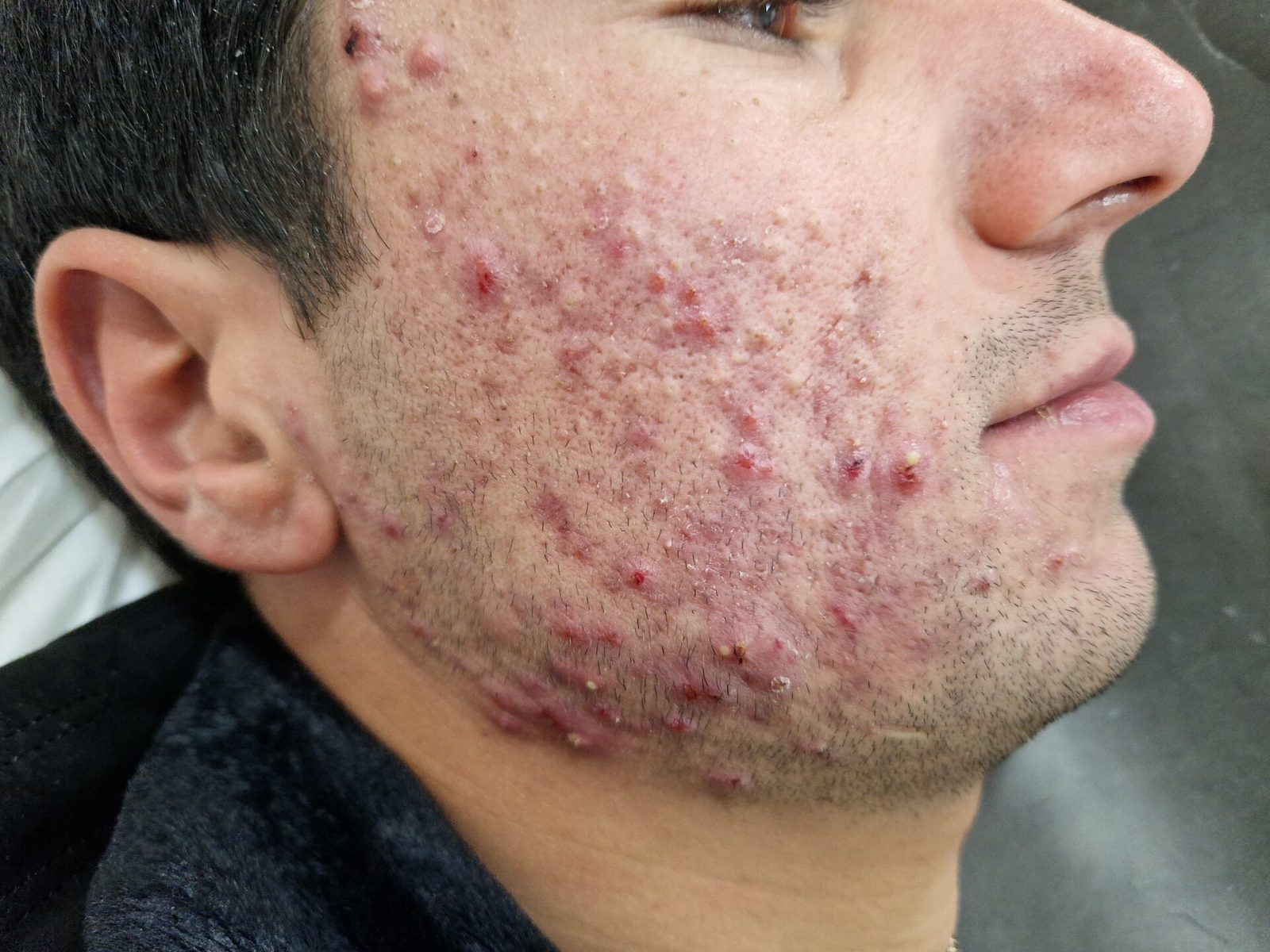
Dermatologists usually match treatment to severity. The table below is a general guide, not a prescription.
| Severity | What it looks like | Common approaches |
|---|---|---|
| Mild | Mostly blackheads and whiteheads, a few red spots | Gentle routine, benzoyl peroxide, salicylic acid, adapalene, azelaic acid |
| Moderate | Many red and pus-filled spots, some marks | Prescription topical retinoids and combinations, sometimes oral antibiotics for a limited time |
| Severe or scarring | Nodules, cysts, scarring, or failure of other treatments | Isotretinoin under specialist care; hormonal options for some women |
| Hormonal pattern | Flares around the jaw and chin, linked to cycle | Hormonal treatments such as certain contraceptive pills or spironolactone, prescribed by a doctor |
Topical treatments
Benzoyl peroxide reduces acne bacteria and inflammation. Retinoids such as adapalene and tretinoin unclog pores and are the backbone of long-term control. Azelaic acid helps both acne and dark marks. Combination products are common. Most topicals take 8 to 12 weeks to show their full effect, and may cause dryness or irritation at first.
Oral antibiotics
Antibiotics are used for moderate inflammatory acne, alongside a topical such as benzoyl peroxide to reduce resistance. They are usually given for a limited period, then stopped once a topical routine can keep acne under control.
Hormonal treatment
For some women, acne is driven by hormones. Certain combined contraceptive pills and spironolactone can help. These need medical assessment because they are not suitable for everyone, for example people with certain clotting risks or kidney issues.
Isotretinoin
Isotretinoin is a highly effective oral medication for severe or scarring acne. It requires a specialist prescription, blood tests and strict pregnancy prevention for anyone who could become pregnant, because it causes serious birth defects. Side effects such as dry lips and skin are common, and mood changes must be reported straight away.
Do not self-prescribe
Isotretinoin, antibiotics and hormonal medicines should only be taken with a doctor’s prescription and follow-up. Medicines bought without a prescription, online or from unregulated sources can be unsafe or counterfeit.
In-clinic procedures that can help
- Chemical peels: salicylic or glycolic peels can help comedones and mild inflammatory acne, and improve marks.
- Extractions: done properly by trained staff, they clear stubborn blackheads and whiteheads.
- Light and laser treatments: some devices may reduce inflammation; results vary and they are usually add-ons, not stand-alone treatments.
- Steroid injections: a doctor can inject a single painful cyst to calm it quickly.
A routine that supports treatment
- Cleanse twice a day and after sweating, with a gentle cleanser.
- Use a light, non-comedogenic moisturiser to offset dryness from treatments.
- Apply broad-spectrum sunscreen every morning; many acne treatments increase sun sensitivity, and UAE sun darkens marks.
- Do not pick or squeeze spots.
- Change pillowcases often and clean your phone screen.
- Avoid heavy oils and thick hair products near the face.
Check our ingredient pairing chart before layering actives, as some combinations increase irritation.
The best acne treatment is the one you can use consistently for three months.
UAE-specific triggers worth considering
Heat and humidity increase sweating and can worsen breakouts on the forehead, back and chest. Occlusive sunscreens, face masks worn for long hours, helmets and tight sports clothing can all contribute. Lightweight, non-comedogenic sunscreens and breathable fabrics help. Some people also notice flares with whey protein supplements; if you use them and have persistent acne, mention this to your doctor.
Dealing with marks and scars afterwards
Once new breakouts are under control, attention can turn to what acne left behind. Flat brown or red marks often fade over months with sunscreen, azelaic acid, niacinamide or retinoids. Depressed scars need procedures such as microneedling, subcision, fractional laser or TCA CROSS, usually done by a dermatologist. Most doctors prefer to treat scars only when acne has been calm for a while, because active inflammation can undo the work and some treatments interact with acne medicines such as isotretinoin.
Body acne
Acne on the back and chest is common in hot climates and responds to many of the same treatments. Benzoyl peroxide washes left on for a minute before rinsing, loose cotton clothing and showering soon after exercise all help. Persistent or painful body acne deserves a dermatology visit too.
When to see a dermatologist
- Acne that is painful, deep or leaving scars
- No improvement after about three months of consistent over-the-counter treatment
- Acne affecting your confidence or mood
- Sudden severe acne in adulthood, or acne with irregular periods, excess hair growth or weight change, which may point to a hormonal condition
How to choose a clinic in Dubai
Look for a dermatologist licensed by the Dubai Health Authority; you can verify practitioners through official DHA channels. Ask what diagnosis they make, what the plan is for the next three months, how they will monitor side effects and how they will treat marks and scars once acne is controlled. Prices vary by clinic and treatment, so ask for a clear plan and costs in writing.
Frequently asked questions
How long does acne treatment take to work?
Most treatments take 8 to 12 weeks for a clear improvement. Isotretinoin courses usually last several months.
Can diet cause acne?
Diet is one factor for some people. High glycaemic foods and dairy have been linked to acne in some studies, but medical treatment remains the main approach.
Will acne come back after treatment?
Acne often needs maintenance, usually with a topical retinoid, to prevent relapse.
Are facials good for acne?
Gentle, professional facials with proper extractions can help some people, but harsh scrubs and aggressive treatments can make acne worse.
Sources: American Academy of Dermatology, British Association of Dermatologists, Dubai Health Authority
Cover photo: Clare Garvie, originally via the NYPD, CC BY-SA 4.0. Last reviewed: 2026-11-25. General information only, not medical advice. Please consult a licensed practitioner in the UAE about your own situation.

Clear Skin Notes Editorial Team
The Clear Skin Notes editorial team researches and writes our guides and updates them when facts change.


You May Also Like
Spironolactone for Acne: Who It Helps, Side Effects and Safety
Forehead Acne: Causes, Look-Alikes and How to Clear It