Choosing an Acne Cream: Active Ingredients Compared
The best acne cream is the one whose active ingredient matches your type of breakouts and that your skin can tolerate every day. For blackheads and whiteheads, retinoids such as adapalene are the backbone; for red, inflamed spots, benzoyl peroxide or azelaic acid help; and for mild clogging, salicylic acid can be enough. Prescription creams are available through a doctor when over-the-counter options are not enough.
Start by naming your breakouts
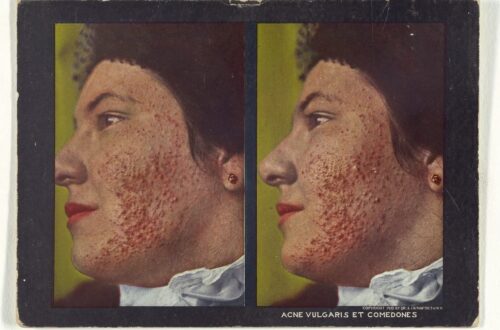
Acne is not one thing. Our acne types chart shows pictures and descriptions, but in short:
- Comedones: blackheads (open) and whiteheads (closed), not red or sore
- Papules and pustules: red bumps and pus-filled spots
- Nodules and cysts: deep, painful lumps that can scar; these need a doctor
Creams work best on comedones and mild to moderate inflamed spots. Deep nodules and cysts generally need medical treatment.
The main active ingredients
| Ingredient | Best for | Common side effects | Notes |
|---|---|---|---|
| Adapalene (retinoid) | Blackheads, whiteheads, prevention | Dryness, peeling, irritation early on | Available without prescription in some countries; use at night |
| Benzoyl peroxide | Inflamed spots | Dryness, can bleach fabrics | Lower strengths often work as well as higher ones with less irritation |
| Salicylic acid | Mild clogging, oily skin | Mild dryness | Often in cleansers and leave-on products |
| Azelaic acid | Inflamed spots, dark marks | Tingling | Often well tolerated; useful for pigmentation |
| Topical antibiotics (prescription) | Inflamed acne | Low on their own | Usually combined with benzoyl peroxide to reduce resistance |
| Prescription retinoids (tretinoin, others) | Comedones and inflammation | Irritation, sun sensitivity | Prescribed by a doctor |
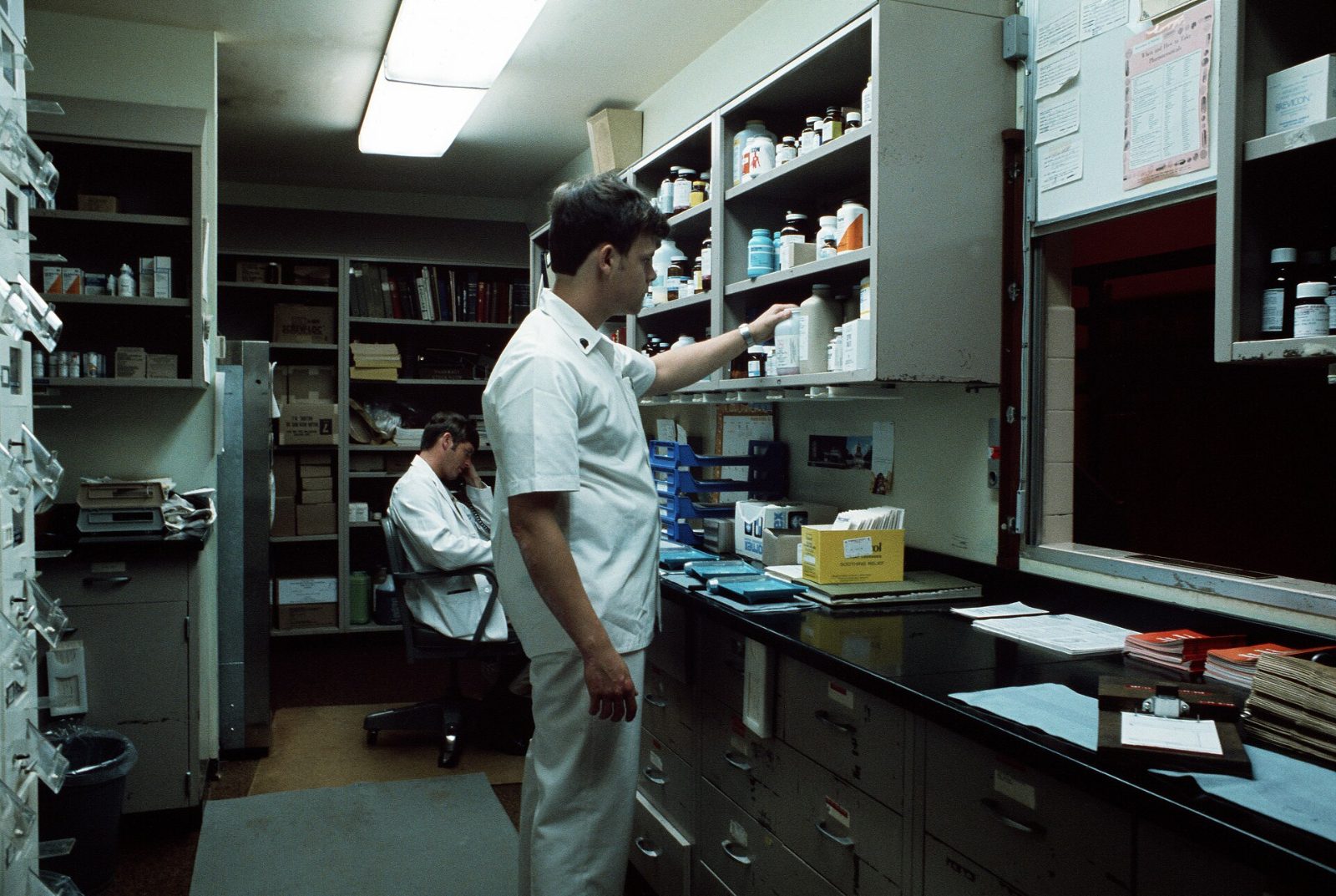
Availability of each product without prescription varies; in the UAE, pharmacists can advise which are available over the counter.
How to start without wrecking your skin
- Introduce one active at a time. Wait two to four weeks before adding another.
- Start every other night with retinoids, then build up to nightly if tolerated.
- Use a pea-sized amount for the whole face, not just on spots; most creams prevent new breakouts rather than shrinking existing ones.
- Moisturise. A light, non-comedogenic moisturiser reduces irritation, especially in air-conditioned rooms.
- Wear sunscreen every morning. Retinoids increase sun sensitivity, and UAE sunshine is strong year-round.
- Give it time. Most creams take 8 to 12 weeks to show a clear improvement.
Mixing actives
Benzoyl peroxide can inactivate some forms of tretinoin when applied at the same time; adapalene is more stable. Use them at different times of day unless your doctor advises a combination product. Our ingredient pairing chart covers more pairings.
Climate considerations
In humid coastal cities, heavy creams can feel greasy and trap sweat; gels or lotions are often more comfortable. In dry, air-conditioned offices, the same actives may cause more peeling, so a moisturiser becomes essential. Sweat under masks, helmets or sportswear can worsen breakouts on the jaw and back, so wash soon after exercise.
Who should be careful
Speak to a doctor or pharmacist first if you
Are pregnant, planning a pregnancy or breastfeeding (topical retinoids are generally avoided; some other options may be suitable), have eczema, rosacea or very sensitive skin, or are already using prescription acne medicines.
When a cream is not enough
See a dermatologist if:
- You have painful nodules or cysts, or acne that is leaving scars
- Over-the-counter products have not helped after about three months
- Acne appears suddenly in adulthood alongside irregular periods, excess hair growth or weight changes, which may point to a hormonal cause
- Acne is affecting your mood or confidence
A doctor can prescribe stronger creams, oral treatments or hormonal options. In the UAE, look for a dermatologist licensed by the DHA, DOH or MOHAP.
Treat the whole area, not just the spots, and give each cream at least eight weeks.
Frequently asked questions
Can I use acne cream as a spot treatment?
Some products, like benzoyl peroxide, can be used on individual spots, but most acne creams work best applied thinly to the whole area to prevent new breakouts.
Why is my acne worse after starting a retinoid?
Some people notice a temporary flare in the first weeks. If it is severe or lasts more than a few weeks, speak to your doctor.
Should I stop if my skin peels?
Mild peeling is common. Reduce frequency and moisturise more. Stop and seek advice if you have burning, swelling or a rash.
Do natural creams work for acne?
Some ingredients, such as tea tree oil, have limited evidence for mild acne. They are generally less effective than proven actives and can still irritate.
Sources: American Academy of Dermatology, NHS, British Association of Dermatologists
Cover photo: SodanieChea, CC BY 2.0. Last reviewed: 2026-11-25. General information only, not medical advice. Please consult a licensed practitioner in the UAE about your own situation.

Clear Skin Notes Editorial Team
The Clear Skin Notes editorial team researches and writes our guides and updates them when facts change.


You May Also Like
Types of Acne: From Blackheads to Cysts, and What Each Means