Acne on Cheeks: Common Triggers and How to Calm It
Acne on the cheeks is usually ordinary acne vulgaris, driven by oil, clogged pores, bacteria and inflammation, but the cheeks are also where friction and contact play a large role. Phones, pillowcases, hands, makeup brushes and masks all touch this area, so cleaning up those contact points alongside a basic acne routine often makes a noticeable difference.
Why the cheeks break out
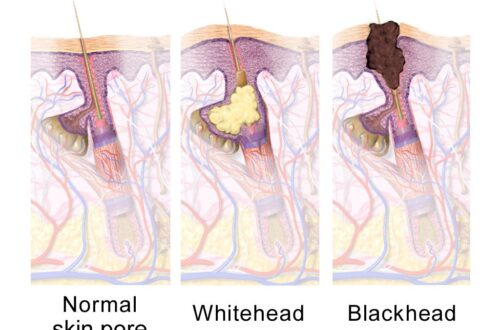
The cheeks have fewer oil glands than the forehead and nose, so persistent cheek acne often points to an outside factor added on top of the usual acne process. The underlying mechanism is the same everywhere on the face:
- Excess oil (sebum) is produced in the follicle.
- Dead skin cells stick together and block the pore.
- Bacteria called Cutibacterium acnes multiply in the blocked pore.
- The immune system responds, causing redness, swelling and pus.
What differs on the cheeks is how often something rubs, presses or traps sweat against the skin.
Common triggers for cheek acne
| Trigger | Why it matters | What to try |
|---|---|---|
| Mobile phone | Pressure, heat and grime on the screen | Wipe the screen daily, use earphones or speaker |
| Pillowcases | Oil, hair products and sweat build up | Change pillowcases every few days |
| Hands on face | Transfers oil and bacteria, encourages picking | Notice the habit; keep nails short |
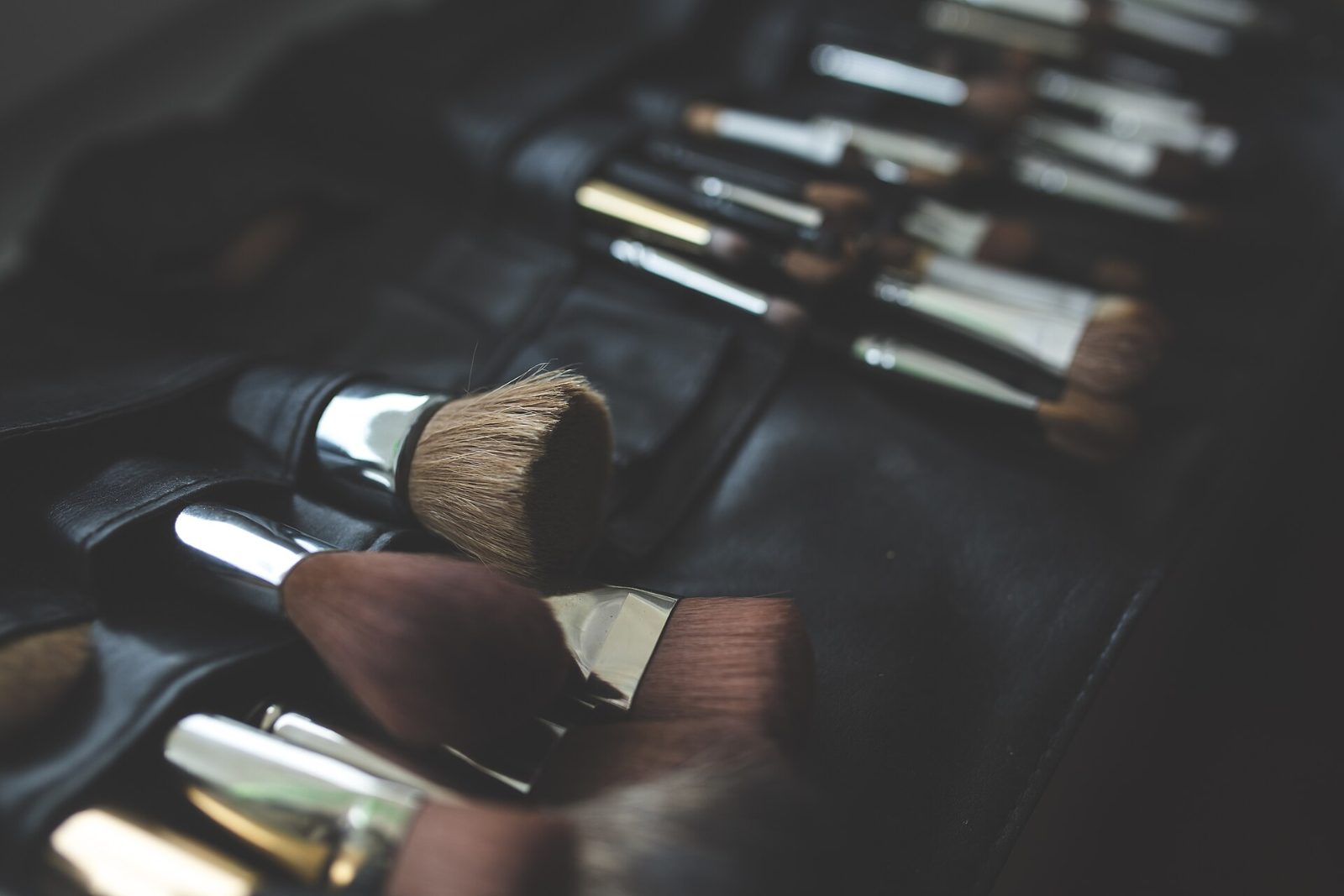
| Makeup and brushes | Heavy products and dirty brushes clog pores | Non-comedogenic products, wash brushes weekly |
| Face masks and helmets | Friction plus trapped sweat (acne mechanica) | Breathable fabrics, wash reusable masks after each use |
| Hair products | Oils and silicones transfer to the skin | Keep hair off the face at night |
| Heat and sweat | Humid summers and gym sessions | Rinse after sweating, avoid heavy creams in summer |
In the UAE, summer humidity in coastal cities combined with long hours in masks, helmets or hijabs that touch the cheeks can make friction acne more common.

Is it really acne?
Several conditions look like acne on the cheeks but need different treatment. It is worth considering them if the usual approach is not working.
- Rosacea: redness, flushing and small bumps on the cheeks and nose, usually without blackheads. Heat, spicy food and sun can trigger it.
- Perioral or periorificial dermatitis: small bumps around the mouth, nose and sometimes eyes, often linked to steroid creams or heavy products.
- Fungal folliculitis (sometimes called “fungal acne”): small, uniform itchy bumps, often worse in heat and sweat.
- Keratosis pilaris: rough small bumps, more common on the upper arms but can affect cheeks, especially in children.
A quick clue
Blackheads and whiteheads (comedones) are a sign of true acne. If you have redness and bumps but no comedones, ask a doctor about rosacea or dermatitis.
Our Acne Types Chart shows how different acne lesions look, from blackheads to nodules.
A routine that usually helps
Morning
- Gentle, non-foaming or low-foam cleanser.
- A light treatment such as niacinamide, or azelaic acid if your skin tolerates it.
- Oil-free, non-comedogenic moisturiser.
- Broad-spectrum sunscreen, SPF 30 or more.
Evening
- Cleanse well, especially if you wore sunscreen or makeup.
- Apply one active ingredient: benzoyl peroxide, salicylic acid or a retinoid such as adapalene. Start every other night.
- Moisturise.
Avoid layering several strong actives at once. Our Ingredient Pairing Chart explains which combinations commonly irritate.
Habits that make a difference
- Change pillowcases two or three times a week, or flip to a fresh side.
- Clean your phone screen daily with a suitable wipe.
- Wash makeup brushes and sponges at least weekly.
- Wash reusable masks and headscarves often, and choose breathable fabrics.
- Remove sweaty sports gear promptly and rinse your face after exercise.
- Avoid squeezing; it pushes inflammation deeper and raises the risk of marks and scars.
Fixing what touches your cheeks is often as important as the cream you put on them.
Cheek acne and skin tone
People with medium and deeper skin tones, common across the UAE’s population, often find that the marks left behind are more troublesome than the spots themselves. After a pimple heals, a flat brown or grey patch called post-inflammatory hyperpigmentation can remain for months.
A few points help limit this:
- Treat breakouts early rather than waiting for them to become large and inflamed.
- Avoid harsh scrubs and strong peels at home, which can irritate and darken the skin further.
- Use daily sunscreen, as UV light darkens existing marks.
- Consider ingredients such as azelaic acid or niacinamide, which can help both acne and uneven tone.
If dark marks are your main concern, a dermatologist can suggest treatments that are suitable for your skin type and lower the risk of further pigmentation.
What about face mapping?
Face mapping charts link cheek acne to the lungs, liver or other organs. These claims are not supported by medical evidence. Diet and hormones can influence acne overall, but the location on the cheek mostly reflects contact, friction and skin factors.
When to see a doctor
Speak to a licensed dermatologist or GP in the UAE if:
- Spots are deep, painful or leave dark marks or scars
- Over-the-counter products have not helped after about three months
- You also have irregular periods, excess hair growth or sudden weight change, which can point to hormonal causes
- You suspect rosacea or another condition
- The acne affects your mood or confidence
Seek prompt care for
- Swelling, warmth and spreading redness, which may mean infection
- Acne that appears suddenly after starting a new medicine
- Any reaction with swelling of the lips, eyes or difficulty breathing after using a product
Prescription options may include stronger topical retinoids, topical or oral antibiotics, hormonal treatments for some women, or isotretinoin for severe or scarring acne. These need medical supervision.
Frequently asked questions
Does cheek acne mean something is wrong with my liver or lungs?
No. That idea comes from face mapping, which is not supported by evidence.
Can my phone really cause acne?
Pressure, heat and dirt from a phone can contribute to breakouts on the side you hold it. It is rarely the only cause, but it is an easy factor to fix.
How long before treatment works?
Most acne treatments need six to twelve weeks of steady use before you can judge results.
Should I stop wearing makeup?
Not necessarily. Choose non-comedogenic products, remove them fully at night and keep brushes clean.
Sources: American Academy of Dermatology, DermNet, Dubai Health Authority
Last reviewed: 2026-11-25. General information only, not medical advice. Please consult a licensed practitioner in the UAE about your own situation.

Clear Skin Notes Editorial Team
The Clear Skin Notes editorial team researches and writes our guides and updates them when facts change.


You May Also Like
Chest Acne: Causes, Lookalikes and Why Early Treatment Matters
Acne Spot Treatment: What Works, What to Avoid and When to See a Doctor