
Pigmentation Cream: Ingredients That Fade Dark Spots, and Those to Avoid
A pigmentation cream can fade dark spots, post-acne marks and melasma gradually, but only if it contains proven ingredients and is used with daily sunscreen. Well-studied options include azelaic acid, retinoids, niacinamide, vitamin C, tranexamic acid and, under medical supervision, hydroquinone. Expect results over two to three months, not days, and avoid unregulated “whitening” creams, which can contain mercury or strong steroids.
Know your pigmentation type
| Type | What it looks like | Common cause |
|---|---|---|
| Post-inflammatory hyperpigmentation (PIH) | Flat brown marks where spots or injuries were | Acne, eczema, cuts, procedures |
| Sun spots (solar lentigines) | Small, well-defined brown spots on sun-exposed areas | Long-term UV exposure |
| Melasma | Larger patches, often on cheeks, forehead, upper lip | Hormones, sun, visible light, genetics |
| Freckles | Small spots that darken in summer | Genetics and sun |
Melasma is common in the region, especially in women with medium skin tones, and tends to relapse with sun and heat exposure. A dermatologist can confirm which type you have.

Ingredients with evidence
- Azelaic acid: helps PIH and melasma; often well tolerated and used in pregnancy under advice.
- Retinoids (adapalene, tretinoin, retinol): speed up skin cell turnover; can irritate.
- Niacinamide: reduces pigment transfer; gentle.
- Vitamin C (ascorbic acid and derivatives): antioxidant with modest brightening effect.
- Tranexamic acid (topical): increasingly used for melasma.
- Kojic acid, arbutin, liquorice extract: milder options; evidence varies.
- Hydroquinone: effective but should be used only under medical supervision and for limited periods, because of side effects including, rarely, ochronosis (bluish-black darkening).
Dangerous products
Avoid creams sold without labels, from unregulated sellers, or promising rapid whitening. Some have been found to contain mercury or potent steroids, which can cause serious harm, thin the skin and worsen pigmentation. In the UAE, choose products from licensed pharmacies and check with a pharmacist if unsure.
Sunscreen is non-negotiable
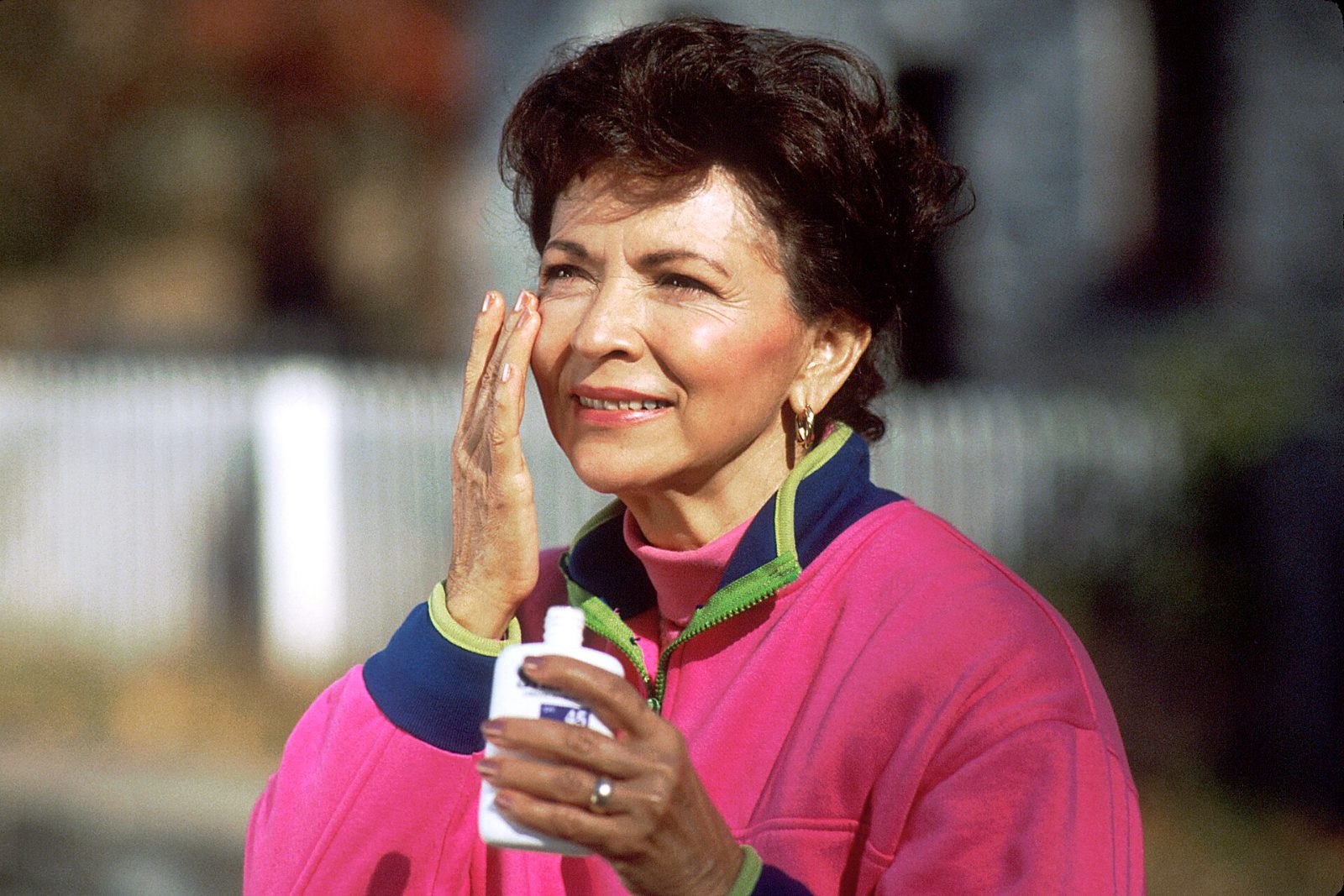
Even the best cream cannot outrun daily UV in the UAE. Use a broad-spectrum sunscreen with high protection every morning, reapply when outdoors, and consider a tinted formula containing iron oxides, which also protects against visible light, a trigger for melasma in darker skin. Hats and shade make a measurable difference.
Build a simple routine
Morning: gentle cleanser, vitamin C or niacinamide serum, moisturiser, tinted sunscreen. Evening: gentle cleanser, azelaic acid or a retinoid (not both on the first week), moisturiser. Our ingredient pairing chart shows safe combinations.
How long until results
Most ingredients need 8 to 12 weeks of consistent use before a clear change. Melasma often improves and then returns with sun or hormonal changes, so maintenance is usually needed. Take photos in the same light every month to judge progress honestly.
Who should be careful
- Pregnancy and breastfeeding: avoid retinoids and hydroquinone unless a doctor approves; ask about azelaic acid.
- Sensitive skin, eczema or rosacea: start with gentle ingredients and patch test.
- Combining actives: too many at once leads to irritation, which can create more pigmentation in darker skin.
When to see a dermatologist
See a doctor if dark patches spread quickly, are raised, itchy or bleeding, change shape or colour unevenly, or do not improve after three months of consistent care. Dermatologists can prescribe stronger creams or suggest in-clinic options. In the UAE, choose a practitioner licensed by the DHA, DOH or MOHAP.
A cream fades; sunscreen prevents. You need both.
Frequently asked questions
Which pigmentation cream works fastest?
Prescription combinations used under medical supervision tend to act faster than over-the-counter products, but all need weeks. Fast results claimed by unregulated creams are a warning sign.
Can I use pigmentation cream around the eyes?
The skin there is thin and sensitive. Use only products designed for that area or as directed by a doctor.
Will dark spots come back?
They can, especially melasma and sun spots, if sun protection lapses. Maintenance is usually needed.
Is it safe to use pigmentation cream every day?
Many are designed for daily use, but stronger ingredients like hydroquinone are used for limited periods under supervision.
Sources: American Academy of Dermatology, DermNet, World Health Organization
Last reviewed: 2026-11-25. General information only, not medical advice. Please consult a licensed practitioner in the UAE about your own situation.

Clear Skin Notes Editorial Team
The Clear Skin Notes editorial team researches and writes our guides and updates them when facts change.

