
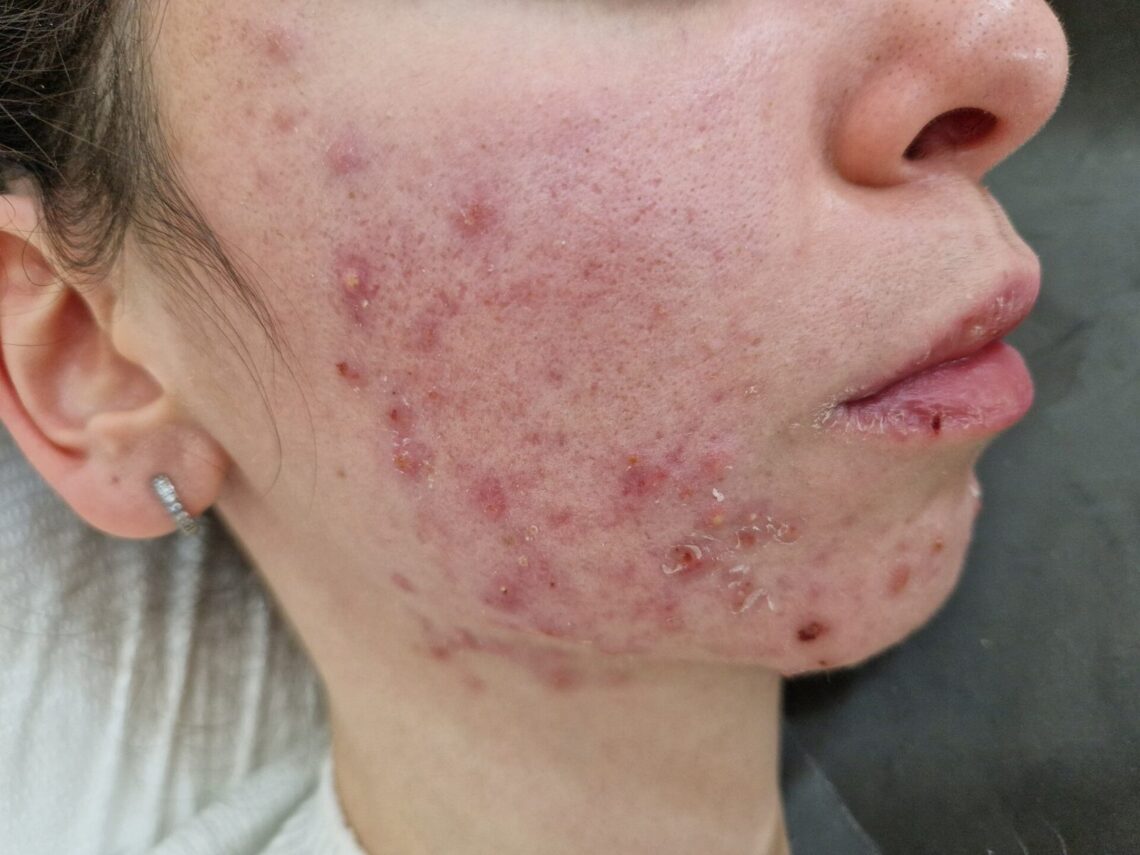
Subcision for Acne Scars: How It Works, Who It Suits and Recovery
Subcision is a minor procedure in which a doctor passes a fine needle or blunt cannula under an acne scar to release the fibrous bands that pull the skin down. It works best for rolling scars, the soft, wave-like depressions that look worse under side lighting, and is often combined with other treatments for a better overall result. It does little for narrow ice pick scars on its own.
Why some acne scars are tethered
When deep, inflamed acne heals, the body lays down collagen and scar tissue. In some scars, thin strands of this tissue connect the surface skin to deeper layers. As they contract, they pull the skin down into a depression. Stretch the skin with your fingers and these scars soften or disappear, which is a useful clue that they are tethered.
Subcision aims to cut or loosen those strands. Once released, the skin can lift, and the small space left underneath fills with new tissue as it heals.
Which scars respond
| Scar type | Typical appearance | How subcision fits |
|---|---|---|
| Rolling | Broad, soft, wavy depressions | Main indication, often the biggest improvement |
| Boxcar (shallow) | Round or oval with defined edges | Sometimes helpful, usually combined with other methods |
| Boxcar (deep) | Sharp edges, deeper base | Partial help, other treatments often needed |
| Ice pick | Narrow, deep, like a puncture | Little benefit, other techniques such as focal TCA are used |
| Raised (hypertrophic) | Firm, raised scars | Not suitable |
Most people have a mix of scar types. A dermatologist will usually build a plan using several treatments. You can read more about rolling acne scars, boxcar scars and ice pick scars in our separate guides.
What happens during the procedure
Techniques vary between doctors, but the general process is similar:
- The skin is cleaned and the scars are marked, usually under angled light.
- Local anaesthetic is injected or applied so the area is numb.
- A special needle or a blunt cannula is inserted through a tiny entry point and moved under the scar in a fanning motion to release the bands.
- Pressure is applied to limit bleeding and bruising.
The procedure is usually done in a clinic in one visit. Some doctors combine it with filler injected under the scar, or schedule microneedling, lasers or peels in the following weeks.
What recovery usually looks like
- Bruising and swelling are expected and often last one to two weeks.
- Small lumps under the skin can be felt for a while as the area heals.
- Many people need more than one session, spaced several weeks apart.
- Results build gradually over months as new collagen forms.
In the UAE, plan around sun exposure and social events. Bruising can be covered with makeup once the entry points have healed, as advised by your doctor, and sunscreen helps reduce the risk of dark marks in the treated area.
Subcision lifts tethered scars. It does not resurface the skin, which is why it is often paired with other treatments.
Combining subcision with other treatments
Because acne scarring is rarely a single type, combination plans are common. Options a dermatologist may discuss include:
- Microneedling to stimulate collagen across the area. See our guide to microneedling for acne scars.
- Fractional laser for texture and surface irregularities.
- Fillers to add volume under released scars.
- Chemical peels or focal TCA for shallow and ice pick scars.
The order and timing depend on your skin type, scar mix and downtime you can accept. Medium and darker skin tones need extra care with heat-based lasers and stronger peels because of the risk of pigmentation changes.
Preparing for your appointment
A good consultation before any procedure makes the result more predictable. It helps to bring a list of the medicines and supplements you take, including anything that affects bleeding such as aspirin, fish oil or certain herbal products, and not to stop any prescribed medicine without asking the doctor who prescribed it. Photos taken in the same light before and after treatment are useful, because changes in scar depth are gradual and easy to underestimate.
Ask your doctor what realistic improvement looks like for your scar pattern. Subcision can soften shadows and make the surface more even, but it rarely makes scars disappear completely. Planning the timing also matters: many people prefer to schedule it in the cooler months, when it is easier to avoid strong sun and heat while bruises fade.
Risks and who should be cautious
Talk to your doctor first if you
- Have active acne, which should usually be controlled before scar treatment
- Take blood thinners or have a bleeding disorder, because bruising and bleeding can be worse
- Have a history of keloids or raised scars
- Have taken isotretinoin recently, as some doctors prefer to wait or adjust the plan
- Are pregnant, have a skin infection, or have cold sores in the area
Possible side effects include bruising, swelling, temporary lumps, infection, dark or light marks, and in some cases over-correction where tissue becomes slightly raised. Seek medical advice promptly if you develop increasing pain, heat, pus or fever after treatment.
Choosing a clinic in the UAE
Subcision should be done by a qualified doctor. Check that the practitioner and clinic are licensed by DHA in Dubai, DOH in Abu Dhabi or MOHAP in the other emirates. Ask how many subcision procedures they perform, which technique they use, how many sessions they expect you will need, and how they handle aftercare and complications. Prices vary between clinics and depend on the area treated and any combined procedures, so ask for a written plan and quote.
Frequently asked questions
Is subcision painful?
The area is numbed with local anaesthetic, so most people feel pressure and some discomfort rather than sharp pain. It can be sore for a few days afterwards.
How many subcision sessions are needed?
It varies. Some people see a clear change after one session, while others need two or three, often alongside other treatments.
Are the results permanent?
Released scars can stay improved long term, but some bands can re-form. This is one reason doctors may recommend repeat sessions or combined treatment.
Can subcision treat ice pick scars?
Not well on its own. Ice pick scars usually need other techniques, such as focal chemical reconstruction or punch excision.
Sources: American Academy of Dermatology, DermNet, Dubai Health Authority
Cover photo: Sedef94, CC BY-SA 4.0. Last reviewed: 2026-11-25. General information only, not medical advice. Please consult a licensed practitioner in the UAE about your own situation.

Clear Skin Notes Editorial Team
The Clear Skin Notes editorial team researches and writes our guides and updates them when facts change.


You May Also Like
Boxcar Acne Scars: Shapes, Causes and the Treatments That Lift Them

How to Remove Acne Scars Naturally: Honest Limits and Gentle Options