
How to Prevent Acne Scars Before They Form
The most effective way to prevent acne scars is to treat inflamed acne early and properly, avoid picking or squeezing spots, and protect healing skin from the sun. Deep, painful nodules and cysts are the breakouts most likely to scar, so they need a doctor’s care sooner rather than later. Once a pitted scar has formed it does not reverse by itself, which is why prevention matters so much.
Why scars form
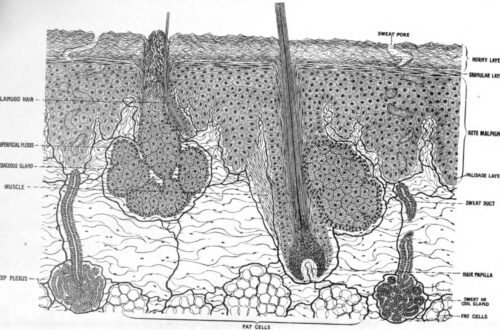
Scars form when inflammation reaches deep into the dermis and damages collagen. The deeper and longer-lasting the inflammation, the higher the risk. Surface-level blackheads and whiteheads rarely scar; deep nodules and cysts often do.
| Breakout | Scar risk | Action |
|---|---|---|
| Blackheads, whiteheads | Low | Over-the-counter treatment, patience |
| Small red papules | Low to moderate | Consistent topical routine |
| Pustules | Moderate if squeezed | Hands off, spot care |
| Nodules and cysts | High | See a doctor promptly |
Our acne types chart helps you tell these apart.
Step 1: Treat early
Every month of uncontrolled inflammatory acne adds risk. If over-the-counter treatments have not helped after about two to three months, or if you get any nodules or cysts, see a dermatologist. Prescription options can calm inflammation much faster and more reliably.
Do not wait for “it will pass”
Many people put off treatment, hoping acne will settle. For mild acne it might. For deep, painful acne, early treatment is the best scar prevention available.
Step 2: Hands off
Picking, squeezing and popping push bacteria and inflammation deeper and tear the skin. If you struggle not to pick, these help:
- Cover active spots with hydrocolloid patches (see our acne patch guide)
- Keep nails short
- Avoid magnifying mirrors
- Use a cold compress for painful spots instead of squeezing
Step 3: Calm inflammation day to day
- Cleanse gently twice daily; avoid scrubs.
- Use proven actives such as retinoids, benzoyl peroxide or azelaic acid as directed.
- Moisturise to protect the skin barrier.
- Do not stack many strong products at once; irritation adds inflammation.
Our ingredient pairing chart explains which combinations are safe.
Step 4: Protect healing skin from the sun
UV does not create pitted scars, but it darkens post-acne marks and can make healing skin look worse for longer. In the UAE, daily broad-spectrum sunscreen and shade are essential parts of any acne plan.
Marks are not scars
Flat brown or red marks left after spots usually fade over months. Sun protection speeds that up. True scars change the skin’s texture.
Step 5: Know your personal risk
You may be more prone to scarring if:
- Close family members have acne scars
- You have frequent deep or cystic breakouts
- You have a history of keloids or raised scars
- Your acne started early and has lasted for years
If any apply, it is worth involving a dermatologist early.

See a doctor promptly if
You have painful lumps under the skin, acne that leaves dips or raised scars, sudden severe acne, acne with irregular periods or excess hair growth, or acne affecting your mood. In the UAE, choose a dermatologist licensed by the DHA, DOH or MOHAP.
The scar you prevent is the scar you never have to treat.
Frequently asked questions
Can I prevent scars once a cyst has formed?
Early treatment of a cyst by a doctor can reduce the risk. Do not squeeze it, as that increases damage.
Does popping whiteheads cause scars?
It can, especially if done roughly or repeatedly. Patches and patience are safer.
Do diet changes prevent scars?
Diet may influence acne for some people, but scar prevention depends mainly on controlling inflammation quickly.
Can dark skin prevent scars better?
Skin tone does not protect against pitted scars, and darker skin is more prone to long-lasting dark marks and keloids, so early care matters.
Sources: American Academy of Dermatology, NHS, British Association of Dermatologists
Last reviewed: 2026-11-25. General information only, not medical advice. Please consult a licensed practitioner in the UAE about your own situation.

Clear Skin Notes Editorial Team
The Clear Skin Notes editorial team researches and writes our guides and updates them when facts change.


You May Also Like
Acne Scar Treatment Options Compared: Lasers, Needling, Peels and More

Acne Scars: The Main Types and How Dermatologists Tell Them Apart