Pigmentation Treatment in Dubai: Options, Risks and What Works
Pigmentation treatment in Dubai usually combines three things: strict daily sun protection, topical products prescribed or recommended by a dermatologist, and, for some people, in-clinic procedures such as chemical peels or carefully chosen lasers. The right plan depends on what kind of pigmentation you have, so a proper diagnosis from a DHA-licensed dermatologist comes before any treatment.
First, what kind of pigmentation is it?
“Pigmentation” is a catch-all word. Several different conditions cause dark patches, and they do not respond to the same treatments. The most common ones seen in the UAE include:
- Post-inflammatory hyperpigmentation (PIH): dark marks left behind after acne, eczema, insect bites or irritation. Very common in medium and darker skin tones.
- Melasma: symmetrical brown or grey-brown patches, often on the cheeks, forehead and upper lip. Linked to sun, visible light, heat and hormones. Tends to come back.
- Sun spots (solar lentigines): flat, well-defined brown spots on sun-exposed areas, more common with age.
- Freckles: small spots that darken with sun exposure.
- Moles and other lesions: these are not “pigmentation” to be lightened and must be checked by a doctor if they change.
See a doctor promptly if a spot
- Is new and growing, or has changed shape, size or colour
- Has irregular borders or several colours
- Bleeds, itches or does not heal
- Looks different from your other spots
These can be signs of skin cancer and need medical assessment, not lightening creams.
Why pigmentation is stubborn in the UAE
Strong year-round sunshine, long hours of daylight and high heat all push pigment cells to work harder. Heat itself is thought to worsen melasma, which is why some people notice flares after saunas, hot yoga or long summer commutes even with sunscreen on. Visible light, including bright daylight through windows, also plays a role, particularly in darker skin tones. Any treatment plan that ignores sun and heat protection tends to disappoint.
The building blocks of treatment
Daily photoprotection
A broad-spectrum sunscreen with SPF 30 or higher, applied generously each morning and reapplied when outdoors, is the foundation. Tinted sunscreens that contain iron oxides add protection against visible light and are often recommended for melasma. Hats, shade and timing outdoor activity outside peak hours all help.
Topical treatments
Dermatologists choose from a range of ingredients depending on the diagnosis, skin type and pregnancy status. Some are available over the counter, others need a prescription.
| Ingredient group | Examples | General notes |
|---|---|---|
| Tyrosinase inhibitors | Hydroquinone, azelaic acid, kojic acid, arbutin | Hydroquinone is prescription-only in many countries and should be used under medical supervision |
| Retinoids | Tretinoin, adapalene, retinol | Speed up cell turnover; can irritate, which may worsen PIH if overused |
| Brighteners | Niacinamide, vitamin C, liquorice extract | Gentler, slower; useful for maintenance |
| Tranexamic acid | Topical or oral forms | Oral use is a medical decision with specific risks and contraindications |
| Exfoliating acids | Glycolic, lactic, mandelic acid | Used at home in low strength, in clinic at higher strength |
Mixing several actives at once is a common cause of irritation. Our ingredient pairing chart shows which combinations are generally well tolerated.
In-clinic procedures
Chemical peels
Superficial peels using glycolic, lactic, mandelic or salicylic acid can help PIH and some sun spots. In darker skin, a cautious, gradual approach matters because aggressive peels can trigger more pigmentation.
Lasers and light devices
Some pigment lasers and intense pulsed light (IPL) can lighten sun spots and freckles. Melasma is trickier: heat-based treatments can make it worse, and results may not last. Any laser treatment for pigmentation should be done by an experienced, licensed practitioner who adjusts settings to your skin type.
Microneedling and other options
Microneedling, sometimes combined with topical agents, is used for some cases. Evidence varies, and results depend heavily on the practitioner.
With pigmentation, gentle and consistent usually beats strong and fast.
Who should be cautious
- Pregnant or breastfeeding women: many actives, including retinoids, hydroquinone and oral tranexamic acid, are usually avoided. Discuss safe options with your doctor.
- People with a history of blood clots: oral tranexamic acid may not be suitable.
- Darker skin tones: higher risk of PIH after peels and lasers; choose practitioners experienced with your skin type.
- Sensitive skin, eczema or rosacea: irritation can make pigmentation worse.
How to choose a clinic in Dubai
Check that the practitioner and the facility are licensed by the Dubai Health Authority (DHA). You can verify healthcare professionals through official DHA channels. Ask who will perform the procedure, what device or peel will be used, how many sessions are planned, and what happens if your skin reacts. A good clinic will talk about sun protection and maintenance, not just a package of sessions. Prices vary widely by clinic and treatment, so ask for a written quote after consultation.
Before your consultation
Take clear photos of the patches in daylight, list every product you use, and note when the pigmentation started and whether it changes with sun, heat or hormones.
What to expect
Most pigmentation improves over months, not weeks. Melasma is often controlled rather than cured and can return after sun exposure or hormonal change, so maintenance is part of the plan. PIH from acne fades faster when the acne itself is controlled; the acne types chart can help you understand what you are dealing with.
Frequently asked questions
How long does pigmentation treatment take to work?
Topical treatments often need at least 8 to 12 weeks of consistent use before clear improvement. Procedures may need several sessions spaced weeks apart.
Can laser remove melasma permanently?
Melasma tends to recur. Lasers can help some patients but can also worsen it. A dermatologist will weigh this carefully.
Is hydroquinone safe?
It can be effective under medical supervision for limited periods. Long, unsupervised use and products from unregulated sources can cause problems.
Can I treat pigmentation in summer?
Yes, but sun and heat protection must be strict, and some procedures are better scheduled for cooler months.
Sources: American Academy of Dermatology, DermNet, Dubai Health Authority
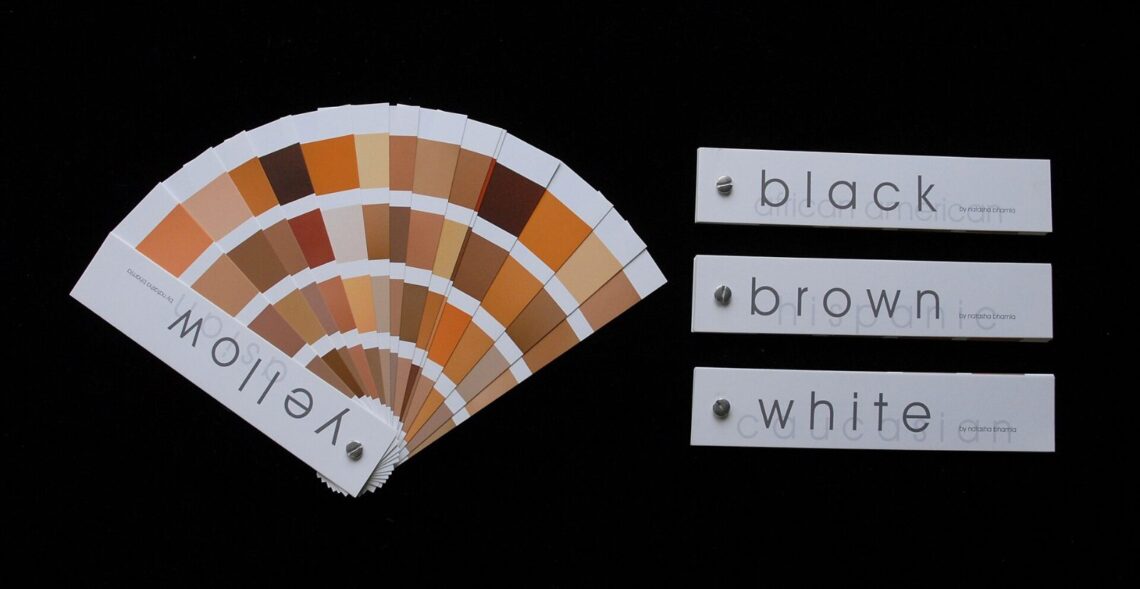
Cover photo: natasha, CC BY-SA 2.0. Last reviewed: 2026-11-25. General information only, not medical advice. Please consult a licensed practitioner in the UAE about your own situation.

Clear Skin Notes Editorial Team
The Clear Skin Notes editorial team researches and writes our guides and updates them when facts change.


You May Also Like
Skin Pigmentation: Types, Causes and When to See a Doctor
Pigmented Nevus (Mole): Types, Warning Signs and Removal