Acne Spot Treatment: What Works, What to Avoid and When to See a Doctor
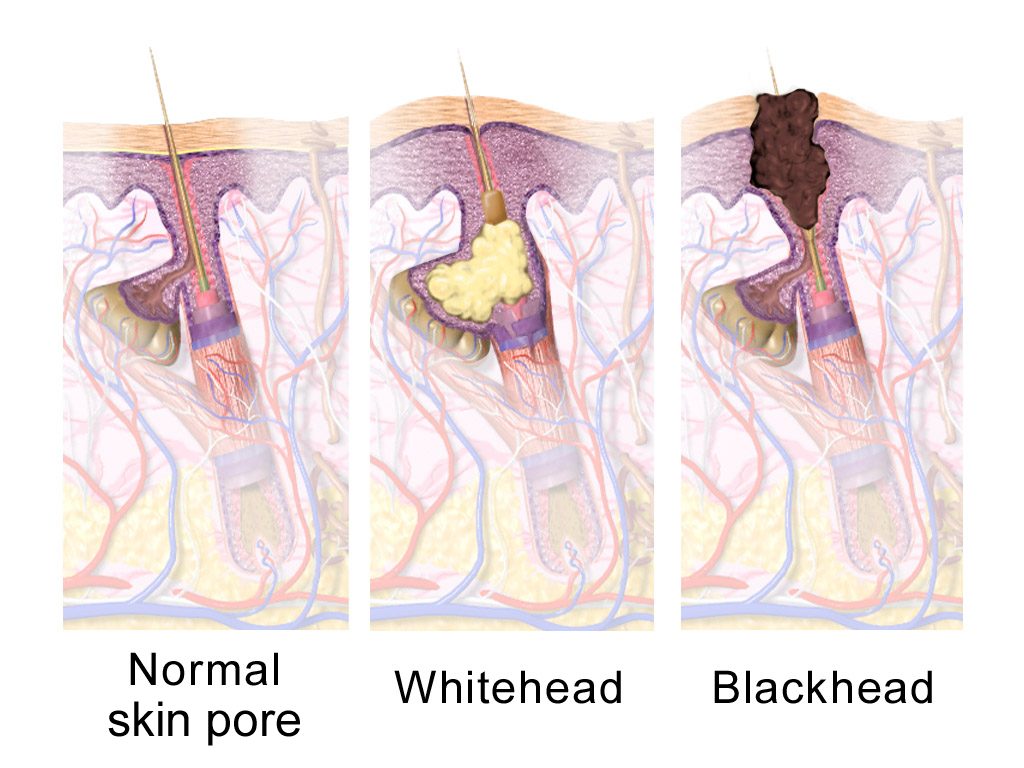
An acne spot treatment is a product you put only on a single pimple to calm it faster, usually containing benzoyl peroxide, salicylic acid, sulfur or an adapalene gel, or a hydrocolloid patch over the spot. It works best on small inflamed spots and whiteheads, and much less on deep, painful lumps, which need a dermatologist.
What a spot treatment can and cannot do
A spot treatment targets one lesion at a time. It can reduce redness, dry out a pustule, and help a whitehead come to a head without squeezing. What it cannot do is stop new spots from forming next week, because acne starts in the pore days or weeks before you see anything on the surface.
That is why dermatologists usually describe spot treatments as a supplement to a daily routine rather than a replacement for one. If you are getting new spots every week, a leave-on product over the whole area where you break out tends to do more than chasing each pimple.
Common active ingredients and how they differ
Most over-the-counter spot treatments sold in UAE pharmacies use one or more of the ingredients below. Strengths and combinations vary by product, so read the label and follow the directions on the pack.
| Ingredient | How it works | Best for | Watch out for |
|---|---|---|---|
| Benzoyl peroxide | Kills acne bacteria, mild peeling | Red, inflamed pimples and pustules | Dryness, stinging, bleaches towels and pillowcases |
| Salicylic acid | Exfoliates inside the pore | Whiteheads, blackheads, small bumps | Dryness, avoid on broken skin |
| Sulfur | Mild drying and antibacterial | Sensitive skin that dislikes benzoyl peroxide | Smell, can be drying |
| Adapalene (a retinoid) | Normalises how skin cells shed | Recurring spots in the same area | Irritation at first, not for pregnancy |
| Tea tree oil | Some evidence of mild antibacterial effect | Mild spots | Allergy and irritation are fairly common |
| Hydrocolloid patch | Absorbs fluid, protects from picking | Spots with a visible white head | Little effect on closed, deep spots |
Our ingredient pairing chart shows which of these are usually fine together and which combinations are likely to over-dry the skin.
Who should be careful
- Pregnant or breastfeeding women should avoid retinoid products such as adapalene unless a doctor has approved them.
- People with eczema, rosacea or very sensitive skin often react to benzoyl peroxide and strong acids. Patch test first.
- Anyone with a known allergy to aspirin should ask a pharmacist before using salicylic acid products.
How to use a spot treatment without wrecking your skin
The most common mistake is using too much, too often. Irritated skin around a pimple looks redder and takes longer to calm down, and in darker skin types that irritation can leave a brown mark that lasts longer than the spot itself.
- Cleanse gently with lukewarm water and pat dry.
- Wait a few minutes until the skin is completely dry. Damp skin absorbs actives faster and stings more.
- Apply a thin layer only on the spot, not a wide circle around it.
- Let it dry before moisturiser or makeup, or apply a patch on top at night.
- Start once a day. Increase only if the label allows and your skin tolerates it.
Less product, applied consistently, beats a thick layer of something strong.
Spot treatments in the UAE climate
Heat, humidity in coastal cities and long hours in air-conditioned rooms all affect how your skin handles drying products. Indoor air conditioning tends to dry the skin, so a light, non-comedogenic moisturiser around the treated area helps prevent flaking. During the day, sunscreen matters more than usual, because benzoyl peroxide, acids and retinoids can make skin more sensitive and inflamed spots are more likely to leave dark marks after sun exposure.
Pimple patches vs creams and gels
Hydrocolloid patches have become popular because they are easy to use and stop you from touching the spot. They do the most for a pimple that already has a white head: the patch draws out fluid and keeps the area clean. On a closed, painful bump under the skin, a plain patch does little. Some patches contain salicylic acid or tea tree oil, which can help a little more, but also irritate some people.
Creams and gels reach a wider range of spots, including early red bumps, but they need more care to avoid over-drying. Many people use a cream in the morning under sunscreen and a patch at night.
What not to put on a pimple
Toothpaste, lemon juice, undiluted essential oils, alcohol and baking soda are common home tricks. They irritate the skin, can burn it, and often leave a darker mark than the spot would have.

When a spot needs more than a spot treatment
Some breakouts are a sign that it is time to see a dermatologist rather than buy another tube. In the UAE, dermatology clinics are licensed by DHA in Dubai, DOH in Abu Dhabi, or MOHAP in the other emirates, and you can check a practitioner’s licence through those authorities.
See a doctor if you notice:
- Deep, painful lumps or cysts that last more than a week or two
- Spots that leave pitted scars or dark marks that do not fade
- Sudden, severe acne in adulthood, especially with irregular periods, new facial or body hair, or hair thinning
- Acne that has not improved after about two to three months of consistent over-the-counter care
- Swelling, spreading redness, fever or pain that is getting worse, which can mean infection
A dermatologist can prescribe stronger topical treatments, oral medicines, or in some cases inject a very large, painful cyst with a diluted steroid to calm it within days. That procedure should only be done by a doctor.
Not sure what kind of spot you have? Our acne types chart explains the difference between whiteheads, papules, pustules, nodules and cysts.
Frequently asked questions
How quickly does a spot treatment work?
Small inflamed spots often look calmer within two to four days. Deeper bumps can take a week or more, and some will not respond to over-the-counter products at all.
Can I use a spot treatment every day?
Many products are designed for once or twice daily use, but if the skin becomes red, flaky or stings, reduce how often you apply it. Follow the label and ask a pharmacist if you are unsure.
Is it okay to pop a pimple and then apply a spot treatment?
Squeezing pushes bacteria and inflammation deeper and raises the risk of scars and dark marks. If a spot is very painful or large, see a doctor rather than squeezing.
Can I use benzoyl peroxide and adapalene on the same spot?
They are sometimes combined in prescription products, but together they are more irritating. Introduce one at a time and ask a pharmacist or dermatologist before layering.
Are spot treatments safe during pregnancy?
Some ingredients, especially retinoids, are not recommended in pregnancy. Speak to your obstetrician or dermatologist before using any acne product while pregnant or breastfeeding.
Sources: American Academy of Dermatology, NHS acne guidance, Dubai Health Authority
Cover photo: BruceBlaus. When using this image in external sources it can be cited as: Blause, CC BY 3.0. Last reviewed: 2026-11-25. General information only, not medical advice. Please consult a licensed practitioner in the UAE about your own situation.

Clear Skin Notes Editorial Team
The Clear Skin Notes editorial team researches and writes our guides and updates them when facts change.


You May Also Like
Acne Treatment in Dubai: From Daily Routine to Prescription Options
Acne Patches: How Pimple Patches Work and When to Use Them