Remedies for Pigmentation on the Face: What Helps, What Is Hype and What to Avoid
The remedies for pigmentation on the face that have the best support are daily broad-spectrum sunscreen, gentle skincare, and over-the-counter ingredients such as azelaic acid, niacinamide, vitamin C and retinoids used consistently for several months. Many popular kitchen remedies, especially lemon juice and undiluted vinegar, can irritate the skin and make dark patches worse.
In this guide
- Start by naming the type of pigmentation
- Remedy one: daily sun protection
- Remedy two: over-the-counter ingredients with evidence
- Natural remedies: what the evidence says
- Gentle habits that support any remedy
- When home remedies are not enough
- Why pigmentation behaves differently in the UAE
- Frequently asked questions
Start by naming the type of pigmentation
“Pigmentation” covers several different conditions, and they do not all respond to the same remedies.
| Type | Typical look | Common triggers |
|---|---|---|
| Post-inflammatory hyperpigmentation (PIH) | Flat brown or grey marks where spots, rashes or injuries were | Acne, eczema, picking, burns |
| Melasma | Symmetrical patches on cheeks, forehead, upper lip | Sun, heat, hormones, pregnancy, some medicines |
| Sun spots (solar lentigines) | Small, defined brown spots on sun-exposed areas | Years of UV exposure |
| Freckles | Small light-brown dots that darken in summer | Genetics plus sun |
Melasma is often stubborn and can flare with heat and visible light, not only UV. In the UAE, that makes it one of the more common reasons people seek help for pigmentation.
Check new or changing spots first
A dark spot that is new, growing, changing colour or shape, bleeding or itching should be seen by a doctor before any cosmetic treatment. Most pigmentation is harmless, but some skin cancers can look like a brown patch.
Remedy one: daily sun protection
No cream or home remedy works well if the skin keeps receiving the trigger that causes the pigmentation. For most types, that trigger is sunlight.
- Use a broad-spectrum sunscreen with SPF 30 or higher every morning.
- Choose a tinted formula containing iron oxides if you have melasma; these also help against visible light.
- Reapply when outdoors and wear a wide-brimmed hat or sit in shade at midday.
- Remember that car windows and office windows let UVA through.
This single habit often produces visible improvement in post-acne marks within a few months.
Remedy two: over-the-counter ingredients with evidence
These ingredients are found in serums and creams and have reasonable research behind them for uneven tone. Our Ingredient Pairing Chart shows which ones are easy to combine.
- Azelaic acid: reduces pigment production and calms redness; often well tolerated and sometimes suggested in pregnancy by doctors, though you should still ask first.
- Niacinamide: helps reduce the transfer of pigment to skin cells; gentle for most skin types.
- Vitamin C (ascorbic acid and derivatives): an antioxidant that can brighten tone; works well in the morning under sunscreen.
- Retinoids (retinol, retinal, adapalene): speed up cell turnover so pigmented cells shed faster.
- Alpha arbutin and kojic acid: pigment-inhibiting ingredients found in many brightening products.
- Tranexamic acid (topical): increasingly used for melasma in serums.
Give any one product at least eight to twelve weeks before judging it. Pigment fades slowly because it sits within skin cells that take weeks to shed.
Natural remedies: what the evidence says
People often search for natural remedies first. Some have a little research behind them, mainly in lab or small studies, while others carry real risks.
Reasonable to try, with modest expectations
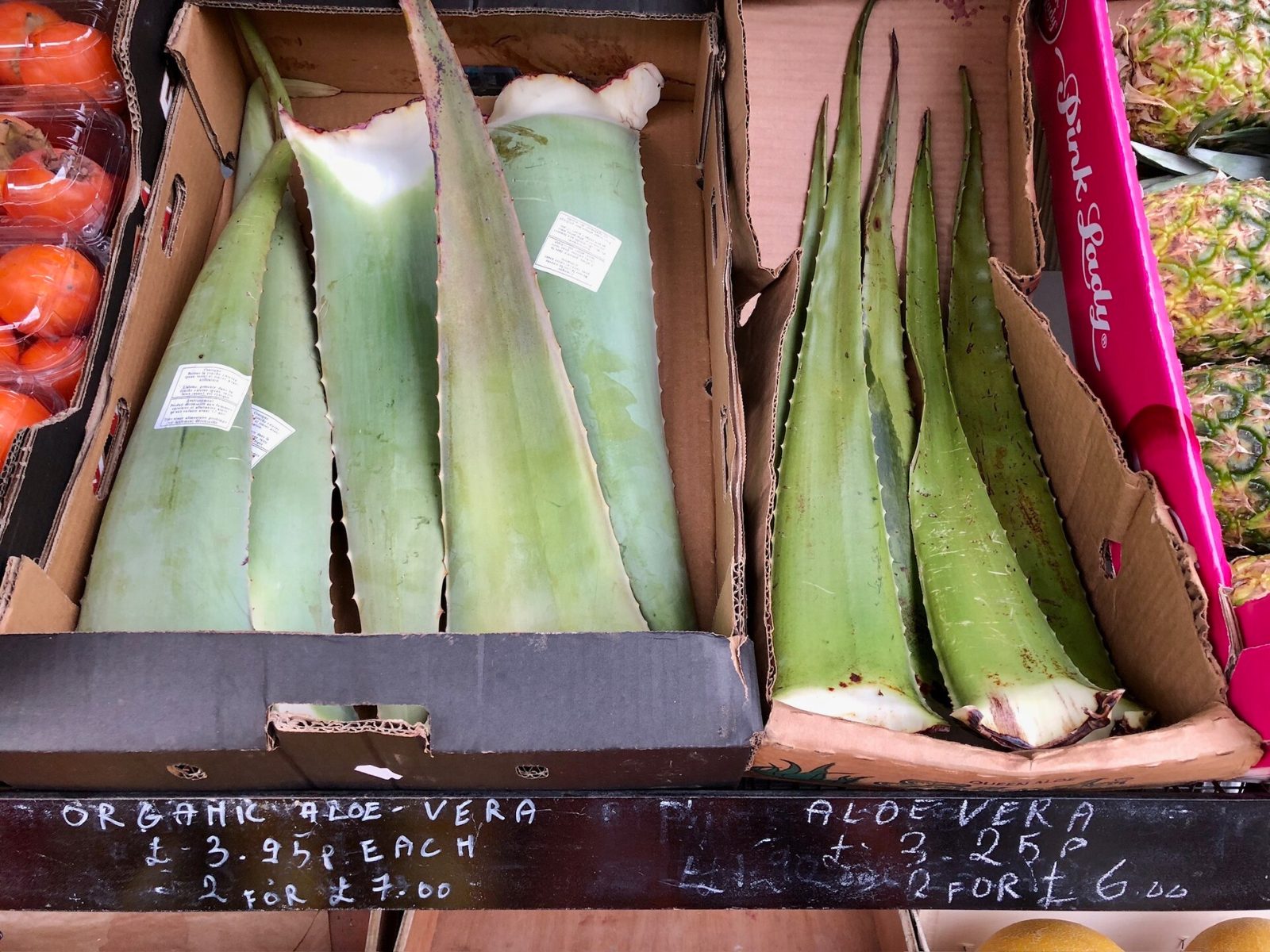
- Aloe vera gel: soothing, and contains a compound called aloin studied for pigment effects. Evidence for visible results is limited.
- Green tea extract: an antioxidant in many skincare products. Helpful as part of a routine, not as a stand-alone fix.
- Liquorice root extract: found in some brightening creams; has some research for calming and brightening.
Better avoided
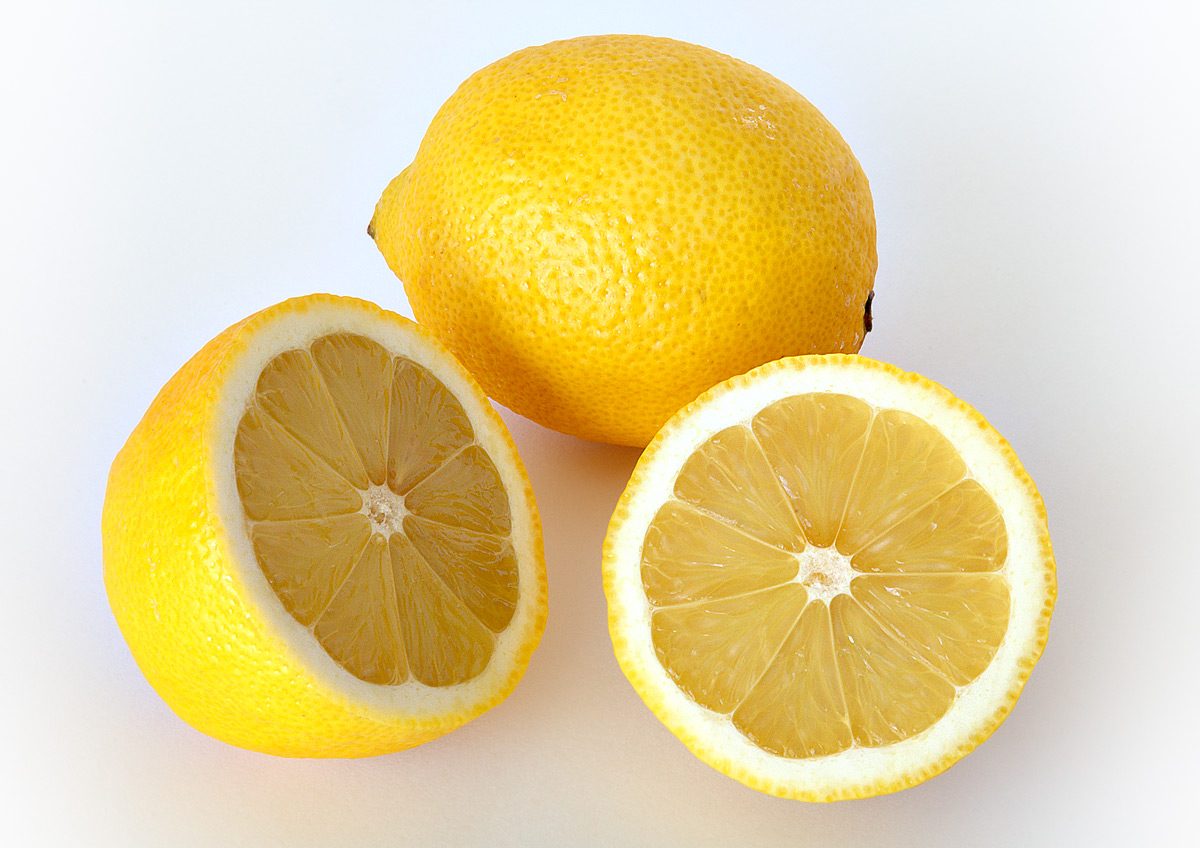
- Lemon juice: very acidic and can cause irritation and, combined with sun exposure, a reaction that leaves darker marks.
- Undiluted apple cider vinegar: can burn the skin.
- Toothpaste, bleach or baking soda: irritants that damage the skin barrier.
- Unregulated “whitening” creams: some products sold online have been found to contain mercury or undeclared steroids. Buy from registered pharmacies.
If a remedy stings or burns, it is more likely to darken pigmentation than lighten it.
Gentle habits that support any remedy
- Avoid picking spots and scabs; this is a major cause of post-acne marks.
- Use a mild, fragrance-free cleanser and moisturiser.
- Exfoliate gently, at most a few times a week, if your skin tolerates it.
- Introduce one new active at a time so you know what is helping or irritating.
- Be patient: most remedies need three months or more.
When home remedies are not enough
If pigmentation has not improved after three to six months of consistent sun protection and suitable ingredients, a licensed dermatologist in the UAE can assess the type and depth. Options they may discuss include prescription creams, chemical peels or certain laser and light treatments. Some of these can worsen pigmentation in darker skin types if not chosen carefully, which is why specialist assessment matters.
Who should be careful with brightening products
- Pregnant or breastfeeding people should ask a doctor before using retinoids, hydroquinone or high-strength acids.
- Anyone with very sensitive skin, eczema or rosacea should patch-test first.
- Hydroquinone and topical steroids should only be used under medical guidance.
Why pigmentation behaves differently in the UAE
Living in a hot, bright climate changes how pigmentation behaves. Strong sun for most of the year means marks are re-darkened before they get a chance to fade. Heat itself is thought to play a part in melasma, which is why some people notice flares in summer even when they use sunscreen faithfully. Long hours in air-conditioned rooms dry the skin, and a dry, irritated barrier is more likely to react to strong actives.
A few adjustments help in practice:
- Keep strong exfoliating products for the cooler months if your skin is reactive.
- Choose lighter textures in summer so you are more likely to wear sunscreen generously.
- Wear sunglasses and a hat for walks, beach trips and outdoor sports.
- Pause brightening actives a few days before and after a desert trip or a beach holiday if your skin gets irritated easily.
Frequently asked questions
How long does facial pigmentation take to fade?
Post-acne marks often improve over three to twelve months with sun protection. Melasma can take longer and may return in summer.
Can pigmentation be removed permanently?
Some types, such as sun spots, can fade well with treatment. Melasma is better described as controlled rather than cured, and needs ongoing sun protection.
Is lemon juice good for dark spots?
It is not recommended. It can irritate skin and cause new dark marks when combined with sunlight.
Does drinking water clear pigmentation?
Hydration supports general skin health, but there is no good evidence that drinking more water fades pigmentation.
Sources: American Academy of Dermatology, DermNet, Ministry of Health and Prevention UAE
Cover photo: Stiller Beobachter from Ansbach, Germany, CC BY 2.0. Last reviewed: 2026-11-25. General information only, not medical advice. Please consult a licensed practitioner in the UAE about your own situation.

Clear Skin Notes Editorial Team
The Clear Skin Notes editorial team researches and writes our guides and updates them when facts change.


You May Also Like
Pigmentation Treatment in Dubai: Options, Risks and What Works
Melasma: Why It Is So Common in the UAE and How It Is Managed