Types of Acne: From Blackheads to Cysts, and What Each Means
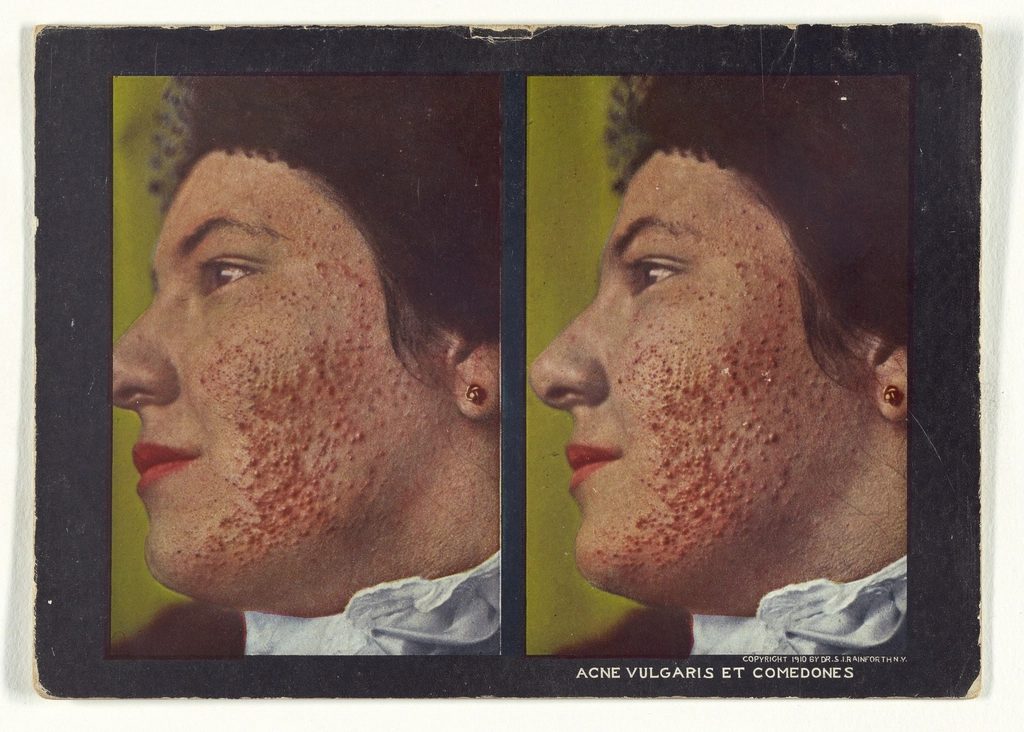
The main types of acne are non-inflamed comedones (blackheads and whiteheads) and inflamed lesions (papules, pustules, nodules and cysts). Most people have a mix. Identifying which types dominate matters because each responds to different treatments, and the deeper inflamed types carry the highest risk of scarring.
The six lesion types
| Type | What it looks like | Depth | Scar risk |
|---|---|---|---|
| Whitehead (closed comedone) | Small skin-coloured or white bump | Superficial | Low |
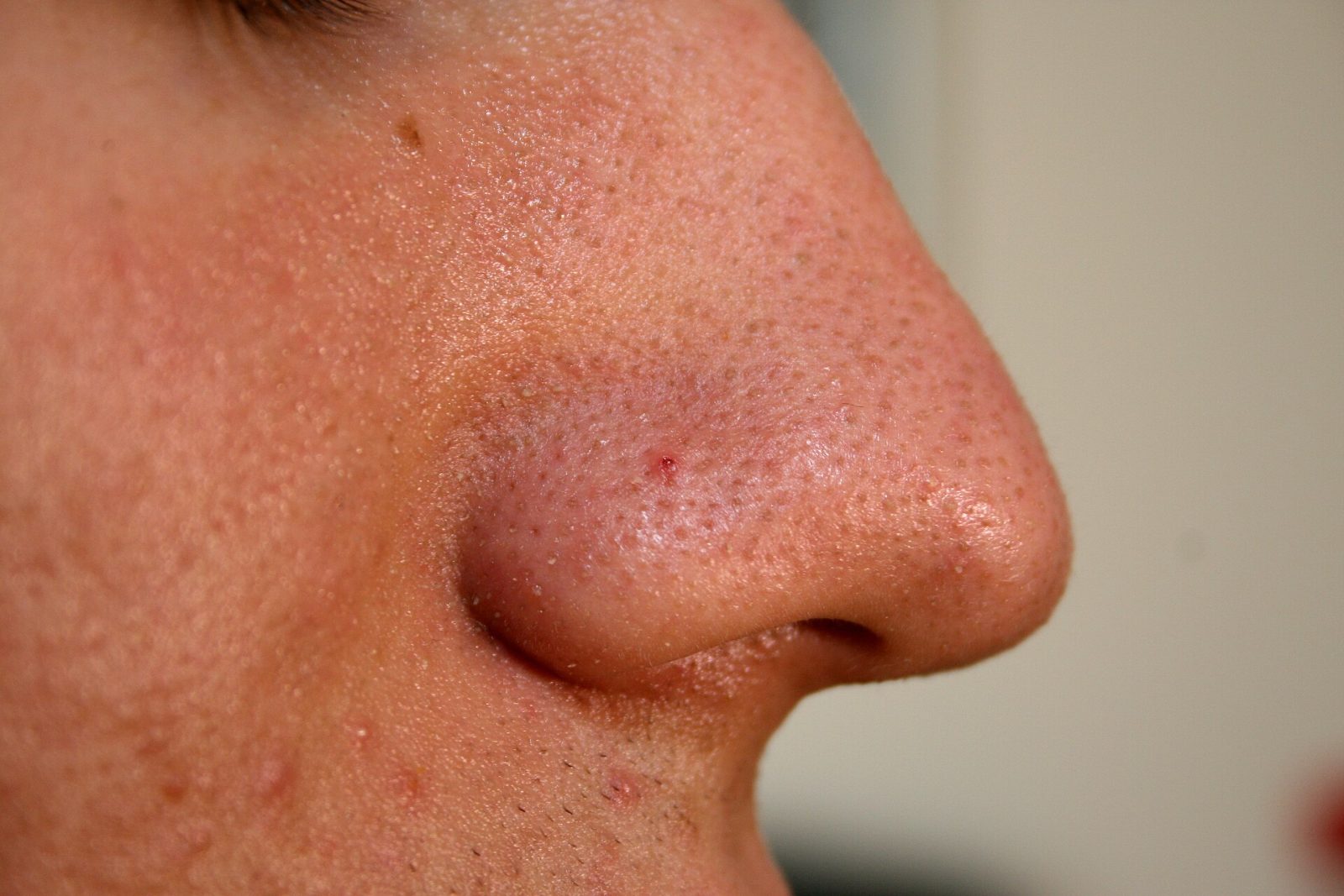
| Blackhead (open comedone) | Dark dot in a pore, not dirt but oxidised oil | Superficial | Low |
| Papule | Small red, tender bump without a head | Shallow inflamed | Low to moderate |
| Pustule | Red bump with a white or yellow centre | Shallow inflamed | Moderate if picked |
| Nodule | Hard, painful lump under the skin | Deep | High |
| Cyst | Soft, painful, pus-filled lump deep in the skin | Deep | High |
Our acne types chart shows these side by side with pictures.
How acne develops
Four things combine: excess oil production, dead skin cells blocking the pore, bacteria (Cutibacterium acnes) multiplying in the blocked pore, and inflammation. Comedones are the blocked-pore stage; inflamed lesions appear when bacteria and inflammation join in. Nodules and cysts form when the pore wall ruptures deep in the skin.
Acne patterns you might recognise
Hormonal or adult female acne. Breakouts along the jaw, chin and neck, often flaring before periods. Can persist into the 30s and 40s.
Body acne. On the back, chest and shoulders. Sweat, tight sportswear and heat can worsen it, which is common in UAE summers.
Acne mechanica. Triggered by pressure or friction, such as helmets, phone screens, face masks or backpacks.
Cosmetic acne. Small, uniform bumps from heavy or pore-clogging products.
Acne conglobata and severe nodulocystic acne. Severe forms with interconnected nodules and scarring; always need a dermatologist.
Conditions that are often mistaken for acne
- Fungal folliculitis (Malassezia): itchy, uniform small bumps on the forehead, chest or back, often worse in heat and humidity; does not respond to usual acne treatments
- Rosacea: redness and bumps on the central face, without blackheads
- Perioral dermatitis: small bumps around the mouth and nose, sometimes triggered by steroid creams
- Keratosis pilaris: rough bumps on upper arms
If your “acne” is itchy, very uniform or not responding to treatment, ask a doctor to check the diagnosis.
Matching treatment to type
- Mostly comedones: topical retinoids (such as adapalene) and salicylic acid
- Papules and pustules: benzoyl peroxide, azelaic acid, topical antibiotics in combination, retinoids
- Nodules and cysts: medical treatment, which may include oral antibiotics, hormonal therapy or isotretinoin, prescribed by a doctor
- Fungal folliculitis: antifungal treatment, as advised by a doctor
Our ingredient pairing chart explains which actives work well together.
See a doctor promptly if you have
Painful nodules or cysts, acne leaving scars or dark marks, sudden acne in adulthood with irregular periods or excess hair growth, acne that started after a new medicine, or breakouts affecting your mood.
Habits that help every type
- Cleanse gently twice a day and after sweating.
- Do not pick or squeeze, especially deeper lesions.
- Choose non-comedogenic moisturisers and sunscreens.
- Wash pillowcases, phone screens and gym gear often.
- Be patient: most treatments take 8 to 12 weeks to show results.
Name the type first. Blackheads and cysts are both “acne”, but they need very different treatment.
Frequently asked questions
Are blackheads dirt?
No. The dark colour comes from oil and skin cells oxidising at the surface of an open pore.
Is hormonal acne a separate type?
It describes a pattern rather than a lesion type. It usually includes papules, pustules and sometimes nodules along the lower face.
Can diet cause acne?
Evidence suggests high-glycaemic foods and, for some people, dairy may worsen acne. Diet alone rarely explains it.
Should I see a dermatologist for mild acne?
Mild acne often responds to over-the-counter products. See a doctor if there is no improvement after a few months or if scarring starts.
Sources: American Academy of Dermatology, NHS, DermNet
Last reviewed: 2026-11-25. General information only, not medical advice. Please consult a licensed practitioner in the UAE about your own situation.

Clear Skin Notes Editorial Team
The Clear Skin Notes editorial team researches and writes our guides and updates them when facts change.


You May Also Like
Acne Patches: How Pimple Patches Work and When to Use Them