Acne Patches: How Pimple Patches Work and When to Use Them
Acne patches (pimple patches) are small adhesive stickers placed over a single spot. Plain hydrocolloid patches work best on spots that have come to a head or are already open: they absorb fluid, protect the spot from picking and bacteria, and can help it heal faster. Medicated and microneedle patches add ingredients like salicylic acid for early, closed spots. None of them treat acne as a whole or deep cysts.
Three types of patches
| Type | How it works | Best for | Not for |
|---|---|---|---|
| Hydrocolloid | Gel-forming dressing that absorbs fluid and keeps the area moist | Whiteheads and pustules with a visible head, popped spots | Deep, closed spots |
| Medicated | Hydrocolloid or thin film with salicylic acid, tea tree or similar | Small early spots | Sensitive or broken skin if irritating |
| Microneedle | Tiny dissolving points deliver active ingredients into the spot | Early, closed, under-the-skin spots | Cysts and nodules |
Hydrocolloid dressings have long been used in wound care, which is where the idea came from.
How to use an acne patch
- Wash your hands and cleanse the area gently.
- Dry the skin completely; patches will not stick to damp or oily skin.
- Do not apply serums, oils or moisturiser underneath.
- Press the patch firmly over the spot, smoothing edges.
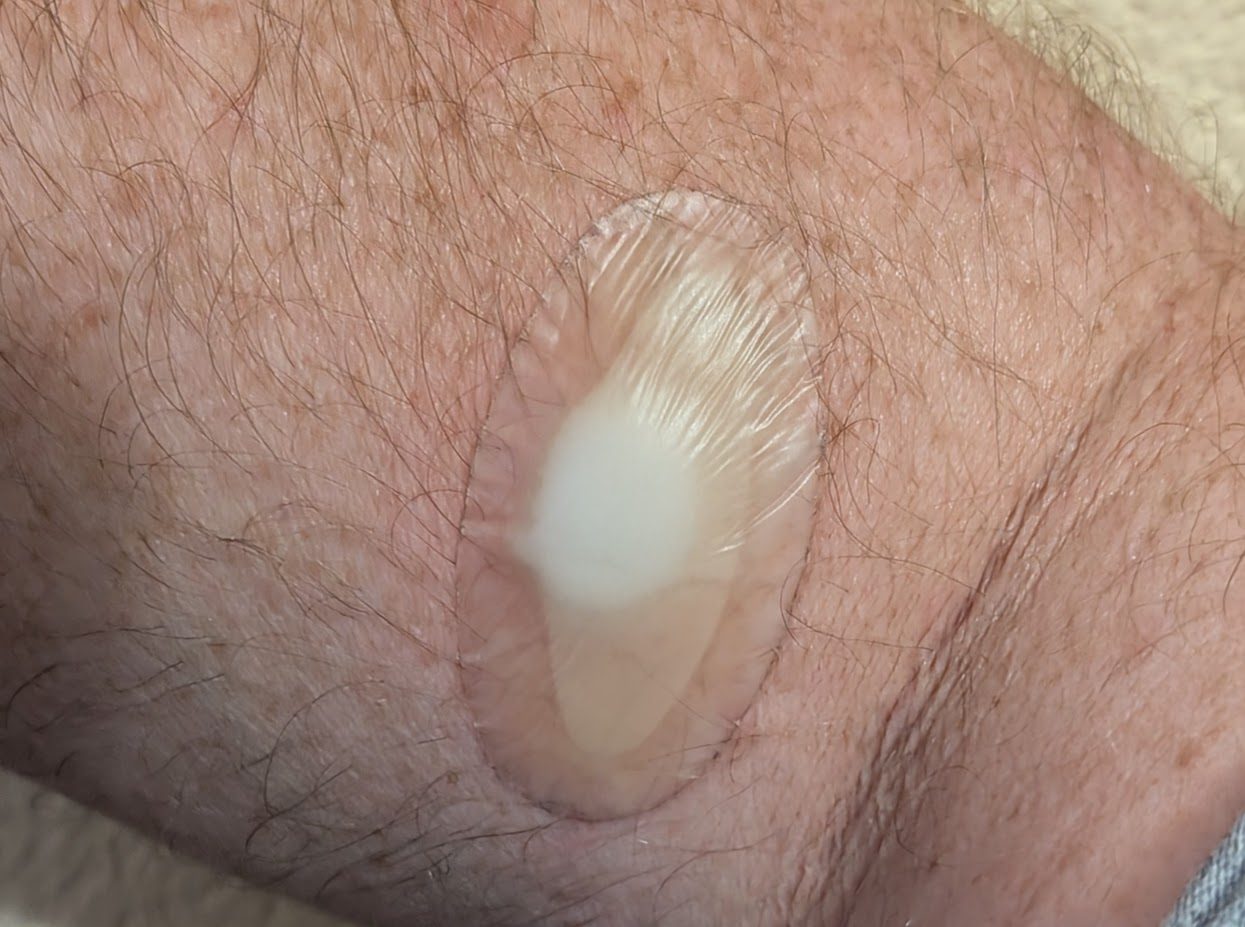
- Leave it on for several hours or overnight. A hydrocolloid patch turns white as it absorbs fluid.
- Peel gently and replace with a fresh patch if needed.
Patches in UAE heat
Sweat lifts patches quickly. They tend to work best overnight or indoors. Thin, matte patches stay on better under makeup during the day.
What patches can and cannot do
They can:
- Stop you picking, which reduces the risk of scarring and dark marks
- Absorb pus from spots with a head
- Protect healing skin from dirt and makeup
- Calm small spots with medicated versions
They cannot:
- Prevent new breakouts across the face
- Treat deep nodules or cysts
- Replace a full acne routine or prescription treatment
- Remove dark marks or scars left after spots
For whole-face treatment, see our guide to the main active ingredients and our acne types chart.
Patches and pigmentation
In medium and darker skin, the dark mark left after a spot often lasts longer than the spot itself. Patches help by discouraging picking. After the spot heals, daily sunscreen is the best way to help the mark fade.
Who should be careful
- If you are allergic to adhesives or certain dressing materials, patch-test first.
- Skip medicated patches with salicylic acid if you have been told to avoid it, and check with a doctor in pregnancy if unsure.
- Stop if the skin becomes red, itchy or blistered under a patch.

When a spot needs a doctor, not a patch
Large, painful lumps deep under the skin, spots that keep coming back in the same place, spots with spreading redness or fever, or acne leaving scars. A dermatologist can treat these properly. In the UAE, look for one licensed by the DHA, DOH or MOHAP.
A patch is a protective plaster for one spot. Your routine treats the rest of the face.
Frequently asked questions
How long should I leave a pimple patch on?
Usually several hours to overnight, or until the patch turns white. Replace it if it lifts or becomes saturated.
Can I put makeup over an acne patch?
Thin patches can be worn under light makeup, but makeup may lift the edges. Apply patches to clean skin first.
Do patches work on cystic acne?
Not really. Cysts sit deep in the skin, beyond the reach of patches. They need medical treatment.
Can I use a patch on a spot I have popped?
Yes, a hydrocolloid patch can protect an open spot while it heals. Clean the area first.
Sources: American Academy of Dermatology, NHS, DermNet
Last reviewed: 2026-11-25. General information only, not medical advice. Please consult a licensed practitioner in the UAE about your own situation.

Clear Skin Notes Editorial Team
The Clear Skin Notes editorial team researches and writes our guides and updates them when facts change.


You May Also Like
Types of Acne: From Blackheads to Cysts, and What Each Means