Skin Pigmentation: Types, Causes and When to See a Doctor
Skin pigmentation is the colour of your skin, produced mainly by a pigment called melanin. When people talk about “pigmentation problems” they usually mean areas that have become darker (hyperpigmentation) or lighter (hypopigmentation) than the surrounding skin. Most changes are harmless and linked to sun, inflammation or hormones, but some need a doctor’s assessment, so knowing the common types helps you decide what to do next.
How skin gets its colour
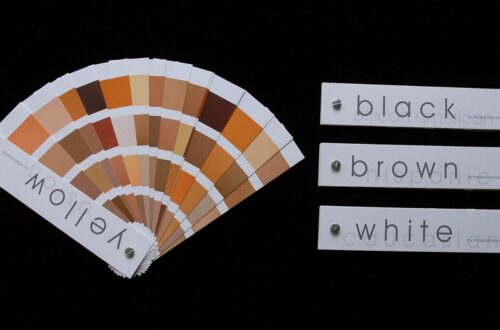
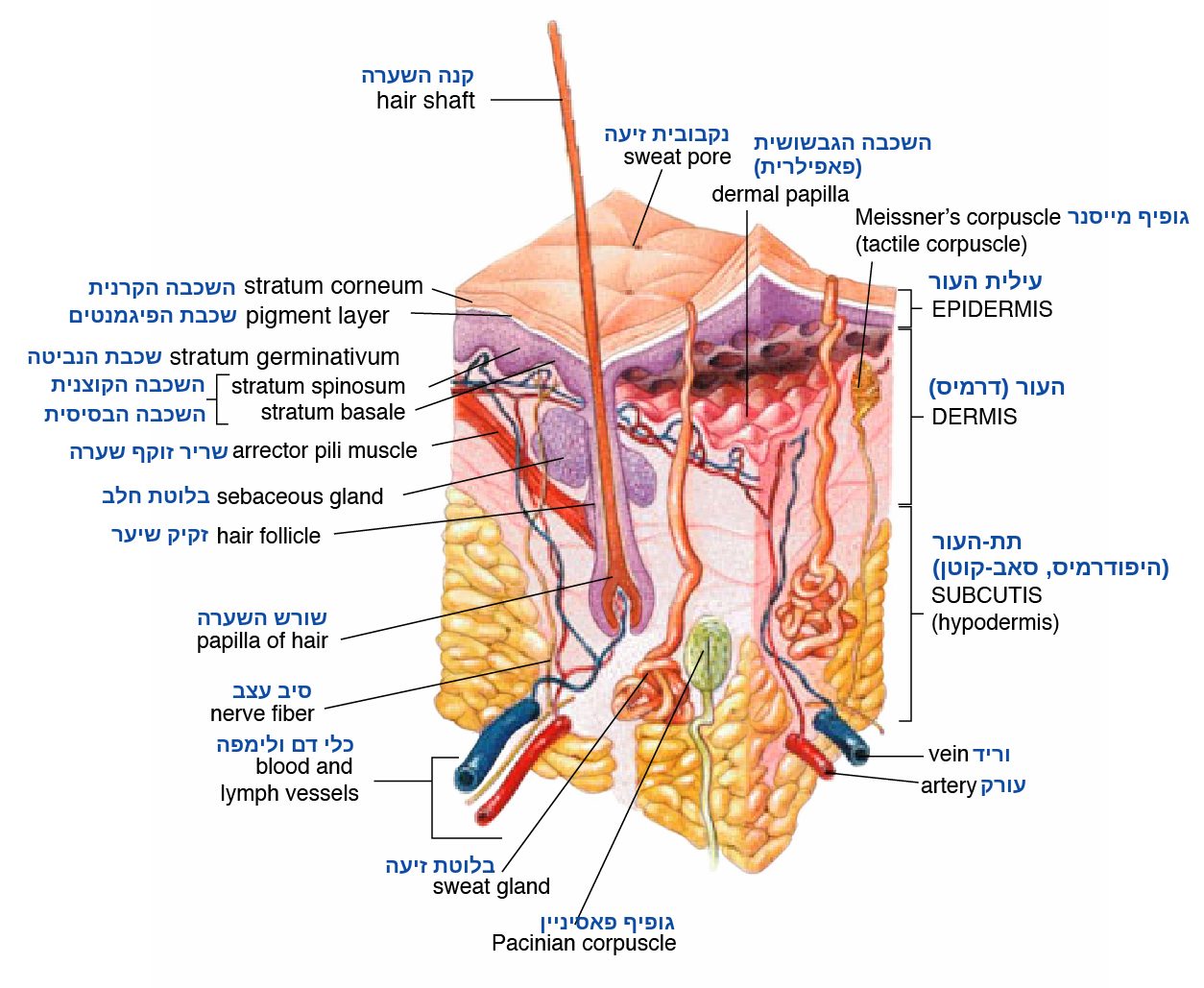
Melanin is made by cells called melanocytes in the bottom layer of the epidermis. They package pigment into tiny granules and pass them to surrounding skin cells, where it shields the cell’s DNA from ultraviolet light. Everyone has roughly similar numbers of melanocytes; differences in skin tone come mainly from how much melanin they make, what type it is and how it is distributed.
UV exposure, inflammation, certain hormones and some medicines can all switch melanin production up. Injury or certain conditions can switch it down or destroy melanocytes.
Common types of hyperpigmentation
| Type | Typical look | Common triggers |
|---|---|---|
| Post-inflammatory hyperpigmentation (PIH) | Flat brown to dark marks where skin was inflamed | Acne, eczema, bites, burns, harsh treatments |
| Melasma | Symmetrical brown or grey-brown patches on cheeks, forehead, upper lip | Sun, visible light, heat, hormones, pregnancy |
| Solar lentigines (sun spots) | Well-defined flat brown spots on sun-exposed skin | Cumulative sun exposure, age |
| Freckles (ephelides) | Small light brown spots that darken in summer | Genetics plus sun |
| Acanthosis nigricans | Velvety darkening in folds such as neck and underarms | Often linked to insulin resistance; worth medical review |
| Drug-induced pigmentation | Varies in colour and site | Some medicines; review with a doctor |
Hypopigmentation: lighter patches
Lighter areas can be caused by healing after injury or inflammation, by fungal infections such as pityriasis versicolor, by pityriasis alba (common in children), and by vitiligo, an autoimmune condition where melanocytes are lost. Light patches are often more noticeable on darker skin and in sunny climates where the surrounding skin tans. Any new, spreading white patch is worth showing to a doctor, because the treatment depends entirely on the cause.
Why pigmentation is so common in the UAE
- Strong, year-round UV: high UV index for much of the year means constant stimulation of melanocytes.
- Heat: high temperatures are thought to aggravate melasma, even without direct sun.
- Visible light: bright daylight, including through car and office windows, also affects pigment, particularly in medium and darker skin.
- Diverse skin types: many residents have skin tones that are more prone to PIH after acne or irritation.
- Popular cosmetic treatments: aggressive peels, lasers or waxing can leave marks if not adapted to skin type.
In a sunny climate, prevention does more for pigmentation than any single treatment.
When a dark spot needs a doctor
Most pigmentation is cosmetic, but skin cancers, including melanoma, can appear as new or changing dark spots. Use the ABCDE guide as a prompt to get checked:
ABCDE warning signs
- Asymmetry: one half looks different from the other
- Border: irregular, ragged or blurred edges
- Colour: several shades, or very dark, red, white or blue areas
- Diameter: larger than about 6 mm, though melanomas can be smaller
- Evolving: any change in size, shape, colour, or new itching or bleeding
Also seek advice for a spot that looks different from your others, a sore that does not heal, or dark streaks under a nail that are not explained by injury.
Everyday prevention
- Use a broad-spectrum sunscreen of SPF 30 or more every day, including indoors near windows.
- Choose tinted sunscreens with iron oxides if you are prone to melasma; they also block some visible light.
- Reapply when outdoors, and add a hat and shade at midday.
- Treat acne early to reduce the chance of marks; our acne types chart helps you identify what you have.
- Avoid picking spots and using harsh scrubs.
- Introduce new actives slowly; our ingredient pairing chart shows which combinations tend to irritate.
Treatment overview
Treatment depends on the type of pigmentation and your skin tone. Dermatologists may recommend topical products such as azelaic acid, retinoids, niacinamide, vitamin C or prescription lightening agents; in-clinic options such as superficial peels or certain lasers; and always strict sun protection. Melasma in particular tends to come back, so the aim is long-term control rather than a one-off fix.
Be cautious with “whitening” creams
Products sold online or without labelling can contain high-strength steroids, mercury or unregulated hydroquinone. These can cause thinning skin, worsened pigmentation and other harm. Use products from reputable sources and ask a pharmacist or doctor if unsure.
Frequently asked questions
Is skin pigmentation permanent?
It depends on the cause. PIH often fades over months; melasma can improve but tends to recur; sun spots may need treatment to fade.
Can diet fix pigmentation?
A balanced diet supports overall skin health, but no food has been shown to remove pigmentation on its own.
Does pigmentation get worse in summer?
Often yes, because of stronger UV and heat. Many people notice melasma darkening in the hotter months.
Who should I see about pigmentation in the UAE?
A dermatologist licensed by the Dubai Health Authority, the Department of Health Abu Dhabi or the Ministry of Health and Prevention.
Sources: American Academy of Dermatology, DermNet, NHS
Cover photo: Kolobetsoo, CC BY-SA 4.0. Last reviewed: 2026-11-25. General information only, not medical advice. Please consult a licensed practitioner in the UAE about your own situation.

Clear Skin Notes Editorial Team
The Clear Skin Notes editorial team researches and writes our guides and updates them when facts change.


You May Also Like
Pigmentation Cream: Ingredients That Fade Dark Spots, and Those to Avoid
Pigmented Nevus (Mole): Types, Warning Signs and Removal